Author: John Brown

  • “The Only Law of Literature” by James Maxey

    james-maxey

    You already know how I feel about writerly rules. So when I read James Maxey’s “The Only Law of Literature,” I had to share it.

    I want to quote the whole thing here. But I’ll resist and quote only the conclusion.

    [In response to critiquing stories that don’t work for you] All the literary analysis of writing techniques, of style, of world building, of creating characters–it all has it’s place, but it’s almost completely useless as a guide to writing a good book. You are never going to be able to think or study or analyze your way into writing a book that people love.

    There is only one law of good literature: Write what you’d love to read.

    Not what you have read and loved. What you love, but haven’t yet read.

    To quote myself from the Impish Idea thread:

    Every thing you write should be a love story. Not a romance. But a story written because you loved it.

    Follow your passion. Don’t worry about pleasing everyone. Fill your book with the stuff that makes your heart race and leave out the stuff that bores you. If you don’t make it into print, at least you’ll have a book you can look at with pride as being truly your own.

    Once you’ve learned this secret, everything else falls into place.

    Go read the whole post.

    It’s important to learn craft. You cannot get away from it. But craft is only useful as a tool to tell this cool, wonderful, poignant, amazing thing we’ve invented and discovered.

  • Some lessons from Tom Clancy’s first novel

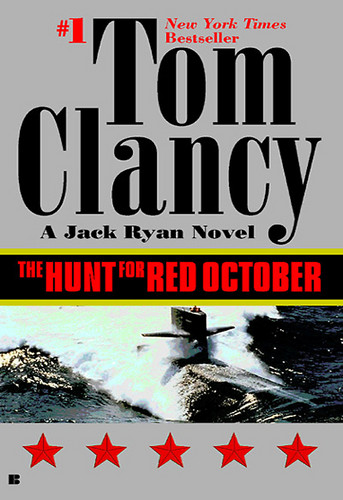
    tom-clancy-the-hunt-for-red-octoberTom Clancy is one of the biggest authors of our time. How did he break in? It’s an interesting story that Deborah Grosvenor, the editor who acquired The Hunt for Red October (Clancy’s first book), tells here.

    And this early interview provides more insights.

    So what conclusions can you draw from this? Here’s what I picked up.

    1. Writing a good book is one thing. That book finding success is quite another.

    2. Endorsements from the right people make a huge difference. More here in my blog Is Product Popularity Random?

    3. Know what you write. And if you don’t know it, do the research. And then invent what you have to.

    4. It’s not always a bad thing to start with a small press, especially if they’re going to put as much $$ into marketing and PR as this one did.

    5. To finish your novel, you’re going to have to set aside time and get it done.

    6. Finally, follow the zing. Clancy loved this stuff. Notice how his book was fed by the stories he heard and read.

  • Maya, a character for a thriller?

    mayalassiterbeachphotoMaya lives in a yurt.

    She has glorious garbage floors.

    And chickens that run around and lay pastel eggs in odd places like buckets–Easter every day.

    Here’s a list of her most popular blogs.

    So, folks. Maya has a fascinating life (as do most people when you start to get the details). So fascinating that you can’t help but want to write about someone like her to see where the story goes. Go read her blog and tell me you don’t agree.  It doesn’t get any better than this.

    In fact, what would happen if I took a Maya and put her in that thriller I’ve got incubating? 

    Oh, baby. Zing.