Author: John Brown

  • Good Stuff: The Free State of Jones

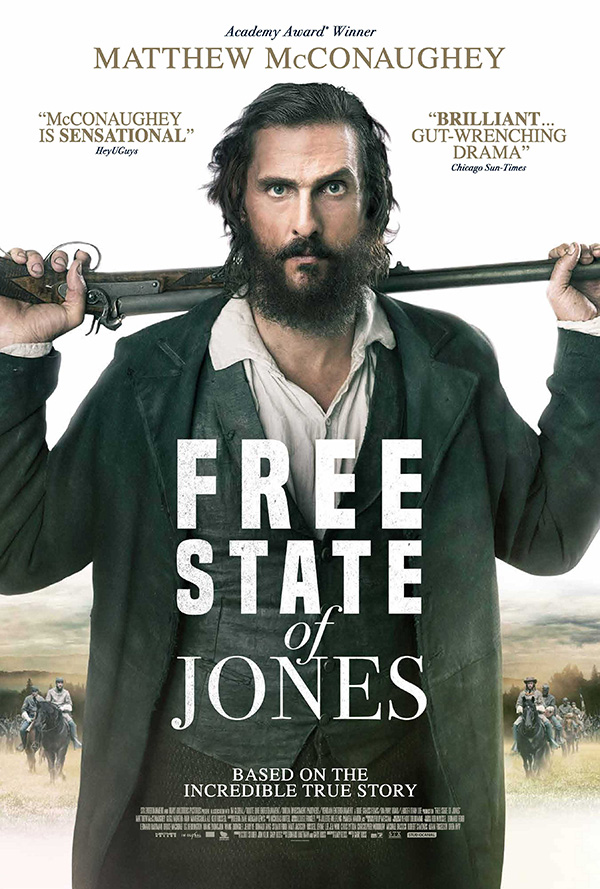
    I recently watched a moving and surprising film called The Free State of Jones, starring Matthew McConaughey. It’s about Newton Knight and how he led three counties in Mississippi to break away from the Confederacy during the Civil War.

    Think of that. On January 9, 1861, Mississippi declared it’s independence from the United States over the issue of slavery. They were the second state to do so. South Carolina was the first. On reflection, it makes sense these two states seceded first because they had the highest portion of the population as slaves. South Carolina’s population was 57% slave. Mississippi’s was 55%.
    Mississippi’s declaration of independence from the Unites States starts with this paragraph.

    “Our position is thoroughly identified with the institution of slavery—the greatest material interest of the world. Its labor supplies the product which constitutes by far the largest and most important portions of commerce of the earth. These products are peculiar to the climate verging on the tropical regions, and by an imperious law of nature, none but the black race can bear exposure to the tropical sun. These products have become necessities of the world, and a blow at slavery is a blow at commerce and civilization. That blow has been long aimed at the institution, and was at the point of reaching its consummation. There was no choice left us but submission to the mandates of abolition, or a dissolution of the Union, whose principles had been subverted to work out our ruin.”

    The rest of the declaration simply elaborates on that theme. However, not everyone in Mississippi agreed. The folks in Jones County, way down in the southeastern part, were mostly non-slave holders and cattle herders and had little use for a war over a state’s right to maintain the institution of slavery.

    Led by Knight, on October 13, 1863, with the war still raging, folks in Jones County and adjacent counties formed a separate government known as the “Free State of Jones”. They fought at least fourteen skirmishes with Confederate forces and went so far as to raise an American flag over the courthouse in Ellisville and send a letter to Union General William T. Sherman declaring Jones County’s independence from the Confederacy and asking for support.

    This movie is based on those events and, importantly, some that occurred after the war ended.

    The film is rated R for a scene with some Civil War battle injuries. And perhaps because of the use of the n-word. What it delivers is a powerful depiction of the issues of the time and the courage of one man who’d had enough. If you like history and action, I think you’ll enjoy this movie.
  • Good Stuff: Why We Get Fat

    What if everything you know about fat, cholesterol, and diet is pretty much wrong?

    What if you found out that the science behind the good old food pyramid is, well, not really there?

    We’ve been told that a healthy diet consists of lots of grains, bagels, bread, pasta, cereals, rice, etc. and very little fat. What if it’s actually the reverse?

    If it is, then it might explain why the rates of diabetes and obesity began to skyrocket as the nation started to implement a low fat high carb diet.

    I remember having gained about fifteen pounds when I was first married. I decided I would go on a diet. I read up on the low fat high carb diet and followed it strictly. Two weeks later, I had gained ten more pounds. Did I, at the time, look at the diet and think that maybe there was something wrong with it?

    No. That would have been too intelligent.

    Instead, I figured something must be wrong with me and continued to try to “eat healthy.” What’s that definition of insanity—doing the same thing over and over again and expecting different results? Call me insane. Or slow. Or too trusting of authority.

    It appears that the science of nutrition got hijacked. Government policy then ran away with it. It’s a fascinating and cautionary tale. Let me recommend three books that explain what really causes us to deposit fat and how we got off track.

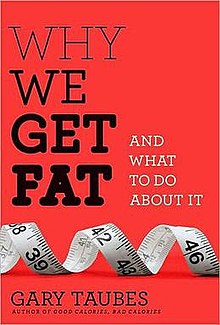
    The first is Why We Get Fat by science writer Gary Taubes. In it he reveals the bad nutritional science of the last century, why the good science was ignored, what really causes us to store fat, and what to do about it.

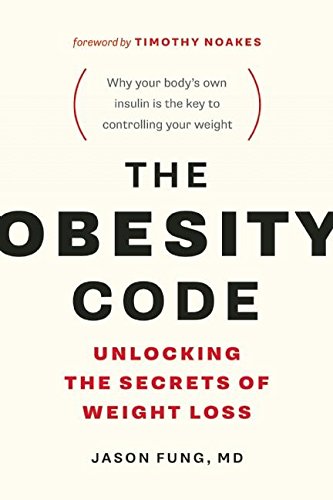
    The next is The Obesity Code by Dr. Jason Fung. Fung is a kidney specialist. Obesity and diabetes are the root of many kidney problems. And so he decided to help his patients by strop treating symptoms and get at the root cause. Fung’s gift is clarity. He explains how obesity and diabetes became an epidemic, the errors in how we think about calories and diet, and then he explains in great clarity the new model of what really causes obesity and how to reverse it.

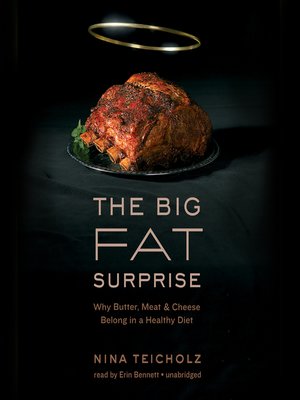
    The last is The Big Fat Surprise: Why Butter, Meat & Cheese Belong in a Healthy Diet by investigative journalist Nina Teicholz. She spent nine years investigating this, and the book reveals how the misinformation about saturated fats took hold in the scientific community, government, and the public and how recent findings overturn these beliefs. It’s a startling history, a cautionary tale showing how ego, bias, and premature institutional consensus allowed dangerous misrepresentations to become dietary dogma.

    If you’re dealing with obesity, heart disease, or diabetes, I think you’ll find these books very interesting.

  • Good Stuff: For All Eternity

    This year I was introduced to a little gem of a book that has had a significant and pleasant impact on Nellie’s and my marriage.

    We heard about it from my newlywed daughter and her husband. Now you’d think that two people who, in just a few months, will have been married for twenty-nine years would know all the ropes of this marriage thing. You’d think they wouldn’t come across any real new ideas. But this little book proved that idea wrong.

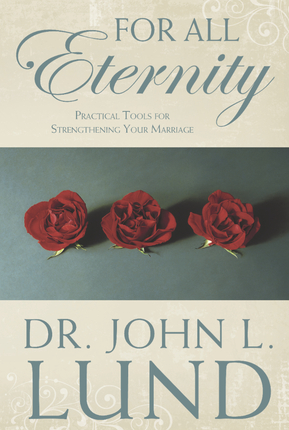
    This book is For All Eternity by Dr. John L. Lund. At the time of its writing Lund had over forty years of experience as a counselor, college professor, and marriage educator. His focus is in interpersonal communication, and part of his background was working with John Gottman, one of the best marriage researchers of the last few decades.

    In this book, Lund shares what he’s learned with lots of humor and stories. Some of it will be familiar to you, but some of it will be refreshing and new. For example, one belief we frequently cherish is the idea that if someone really loves us, they will know our wants and needs. Their love will somehow endow them with superpowers so that we will never have to communicate our wants. Our loving spouses, if they have any love in them, will be able to discern our wants from the most subtle signs. A nod, a sigh, the wiggle of a nose. And if that doesn’t do it, then surely we will never need to drop more than the merest hint.

    Yeah, wrong.

    Lund explains why the whole notion of “If you have to ask, it doesn’t count” is not only unrealistic, it’s damaging. And that’s just one insight. There are many more. I will let you discover them. But I can tell you that I have found this book so useful and delightful that it will now be one of the two standard books I buy and give as gifts to those who are newly married. I wish I’d had these insights right from the beginning, but better late than never. I’m so happy to have them now.

    A little note. For those who are not members of the Mormon church, Lund is directing his teaching at that crowd. So you will find a sprinkling of quotes in here from church leaders that support what he’s learned in his practice and research. Don’t let that stop you. Mormon or non-Mormon, if you want to improve your marriage, you don’t want to miss this book.

  • Good Stuff: Mexican Hummus

    I have been giving a new way of eating a go for the last few months. It’s high-fat, medium-protein, low-carb (HFLC).

    Zoinks!?

    High freaking fat, you exclaim. Has he gone mad!

    Well, possibly.

    One thing I do know is that I’ve lightened the load my godlike thighs have to carry by about twenty pounds, which is a nice thing. Oh, and by the way, I’ve paired this with intermittent fasting.

    Horrors!

    Yes, it is Halloween. Or was a few days ago.

    In a few more months, when I’ve given this method a good long test, I’ll explain exactly what this is all about. But I’ll tease you by saying that it seems the scientific community isn’t immune to bias and jumping the gun. Not even close. We’d like to think they are, all those men and women in their white lab coats, but they aren’t. In fact, there are a number of doctors and researchers right now demonstrating that the advice we’ve been getting about fat and carbohydrates since the late 1970s was wrong. Like 180 degrees wrong.

    Let me point you to some presentations you can watch about this right now.

    “The Two Big Lies of Type 2 Diabetes” by Jason Fung, MD

    “Reversing Type 2 diabetes starts with ignoring the guidelines” by Sarah Hallberg, MD

    “Therapeutic fasting” by Jason Fung, MD

    Okay, so with that lead up, who’s up for a delicious, high-fat meal? Here’s one of my favorites.

    I call it “Mexican Hummus.” I found it in Always Hungry? By David Ludwig, MD, PhD. He calls it “Cheesy Pinto Bean Dip.” Which isn’t a bad name, but isn’t inspiring. You might call it modern refried beans, but that sounds like something out of a can or glopped onto the side of your dish. But Mexican Hummus, that has some class. A little zip.

    Whatever you call it, it tastes great.

    Use as a dip for red, orange, or yellow bell peppers cut into strips. Or eat it as a side. I like it with baked chicken thighs. It’s also good with fajita veggies—sautéed peppers and onions cooked with lots of butter, salt, and a bit a chili powder—and some slices of avocado.

    MEXICAN HUMMUS

    1. Mix the following in food processor for 30 seconds or until smooth
      1. 1 C cooked pinto beans, drained and rinsed
      2. 4 tsp extra-virgin olive oil
      3. ¼ C water
      4. ½ tsp chili powder
      5. ¼ to ½ tsp salt
    2. Mix in ¾ C shredded cheddar cheese (you want cheddar cause it melts well)
    3. Heat in microwave or on stove until cheese just melts. Stir.

    HOMEMADE CHILI POWDER

    I don’t like the chili powder you get in the stores—it’s too strong, overwhelms everything I put it into, and gives me heartburn. So I found a recipe that’s awesome and make my own.

    Mix the following together. Choose the amounts in the ranges shown based on your tastes.

    • 2 tablespoon paprika
    • ¾  to 1½ teaspoon onion powder
    • 1½ to 2 teaspoon dried oregano
    • ½  to 1 teaspoon cumin
    • 1½ t garlic powder (optional)
    • ½ to 1½ teaspoon cayenne (optional, I put in barely a pinch; I do NOT like it spicy)

    HERB-ROASTED CHICKEN THIGHS

    This has got to be the easiest recipe on the planet for chicken.

    • 6 to 8 bone-in, skin-on chicken thighs (about 2 pounds)
    • 1 tablespoon extra-virgin olive oil
    • 1 to 2 teaspoons dried herb blend (Italian herb mix, poultry mix, lemon chicken mix, or chili powder above)
    • ½ to ¾ teaspoons of salt
    • ¼ teaspoon ground black pepper

    Instructions.

    1. Preheat oven to 350 degrees
    2. Grease a 9×9 inch baking dish with butter or some extra-virgin olive oil
    3. Put chicken skin side up in baking dish
    4. Brush with the olive oil
    5. Sprinkle on the herb blend, salt, and pepper
    6. Bake for 45 minutes.
    7. If you want, you can baste a couple of time through the cooking by spooning the juices in the baking dish over the thighs.

    Bon appetite.

  • The Drovers: Update

    Folks, I have finally finished draft 1 of The Drovers.

    Let there be much rejoicing.

    It clocked in around 75,000 words, and as soon as I finished, I realized I had two shorter novels. And this is exactly what I had originally planned. I wanted to tell a very long story in many shorter chunks. So I now have two 35,000 short novels. Since only writers think in word counts, here are some other books to give you a comparison.

    • Louis L’Amour’s westerns: most average around 50,000 words.
    • James Patterson’s Maximum Ride and Witch & Wizard series: average around 60,000 words.
    • Richard Paul Evans’s Michael Vey series books: average around 77,000.
    • The first three of Horowitz’s Alex Rider books: around 55,000.
    • Brandon Sanderson’s Steelheart books: around 100,000.

    My books usually get a bit larger with the second draft, so I expect these will probably end up around 45,000 words. We’ll see.

    What I’m really looking forward to is telling a long story in these smaller chunks and unrolling the story like it’s done on TV.  You can do things over 20 or 30 episodes that you simply can’t in one big novel. This doesn’t meant I won’t be able to have big climaxes. Of course, I will. It just means that I’m going to do it in a slightly different form. I already have the basic ideas for the next dozen or so books. And now that I’m rolling, I expect things will go faster.

    The working title of book 1 is “Hireling.” The working title for book 2 is “Outcast.

    The cast so far:

    • Ferran: the main character, a scrappy boy that’s trying to keep his mam and sister from bondage
    • Itch: his dog
    • Krov: the big woodsman’s son, aka the Lover
    • Winwalom: Ferran’s best friend who is manifesting forbidden powers
    • Ranoc: the boy who wants to be one of the king’s rangers
    • Caswal: the mean one who has it out for Ferran
    • Borros: the drover and former grimsman
    • Lagash: the cook and foreigner who once beat Borros in battle