On Writing

  • Why capture zing if you don’t use most of it?

    I agree that the ability to develop and finish a story is more important, and rare, than coming up with or capturing random ideas, especially since “ideas” can be something as small as a two word sentence from your daughter or the colors on some weird bug that you found hiding out in a teacup in your cupboard. Finding one of those is like finding one brick for a 50,000 brick house. Big whoop.

    I also agree that ideas captured in a journal or file of some sort is NOT the only way to start developing a story. Getting a prompt or story parameters, writing to specifications, is obviously a perfect spot to begin as well (e.g. get me a SF story no longer than 6,000 words by Dec 15th that includes a bug). It is, if you think about it, just another type of starter idea. Going from image to story parameters or from parameters to story images–I don’t think the order matters. They’re both aspects of the story that need to be eventually developed. And we all know that stories can start from seeds of all types–character, image, line, issue, setting, problem, technology, AND parameters. What makes a prompt for a real gig powerful is that it pushes you farther down the path from one brick to house. It does this because a huge part of getting a story written depends on making decisions, getting specific. And on getting the motivation to buckle down and finish the thing.

    I’m also going to bet that for all writers MOST of the elements (dialog, plot, character, setting) of any story are generated during the pre-draft planning (including research) and drafting–during the actual writing. Not by continually ransacking idea files like some people do their closets, trying to find pants, shirts, and shoes that will make an outfit. Like most anything else, we generate things (ideas in this case) only when they’re needed.

    It’s true we have to care about and believe in what we’re writing. But I don’t think how any story gets started is significant. Partially because no matter how big the initial idea, it’s still small compared to everything else that must be generated. But more importantly because I think just starting is the key, whether that’s motivated by shot of zing or a deadline or whatever. I say this because I’ve found that zing strikes me more when I’m on the move working.

    So if the vast majority of captured ideas are never used, why observe and capture at all?

    Here are my personal reasons.

    1) Because when I fail to consume new sights, people, ideas, and experiences, I tend to keep using the same things over and over in stories–lines, descriptions, plot turns, etc. Doing this actually helps me see new possibilities and go beyond my current ken.

    2) While I forget most of what goes into the file, I don’t forget everything. When I’m working, the context of the story often evokes memories of some of these things I’ve captured.

    3) Because when I’m on the lookout, I tend to see more. And current idea captures are a great source for random juxtaposition for the current project. I’m writing a story, go on a walk, and see in the snow a raccoon splayed out spead eagle on the side of the road like it’s been sacrificed, its belly torn open, the cavity completely hollow, four thin, almost translucent, ribs rising to the sky. There is some blood, but not much, and where it has fallen the snow is Valentine pink. There’s nothing else around the animal but a multitude of bird tracks and a few dark strings of disconnected and frozen gut. Because this signals story idea to me, I stop and pause to get more details. I write them up, look a bit closer, sketch it. And the impossible to imagine random detail goes into the current story to work its magic.

    4) Because being on the lookout just brings more zest to my life. The universe offers up a small wonder or dread to me, and if I’m trying to be alert, I’m more apt to see it, cherish it, if only for a moment, and go my way rejoicing.

  • Villainous Heroes

    If we root against villains based on moral judgments, then how is it possible to root for heroes who are not just bad boys but down right criminal, e.g. hitmen, mobsters, thieves?

    It’s a wonderful question that has a simple and revealing explanation.  We root for these bad guys because they’re really good.

    What?!

    When talking about bad heroes, what we often do is:

    1. Take them out of their context.
    2. Focus on one or two negative traits, not the person as a whole.
    3. Abstract them and miss what’s happening in real time as we process the story. We only have so much working memory and usually can only think about what’s being presented versus what we think about when we’re out of the story. What’s being presented in the story is mostly the threats to these heroes, not the consequences of their evil deeds. And if the consequences are show, it’s always modified by context (#1 and #2 above).
    4. Confuse fascination with rooting.

    When we actually look at what’s happening with the hero in the context of the story, what we find is that rooting is still based on moral judgments of who is good/right and who is not. We root for people we think are in the right (given their context) or are getting, undeservedly, the short end of the stick; we root against people who we think are in the wrong.

    Here are some examples.

    DISNEY’S ALADDIN

    Thief. This one’s easy, I grant it. But it’s illustrative. I never once didn’t root for the boy. But I also never saw him as a true bad boy. He was nice. He shared the bread he stole with kids less fortunate. The guards were mean brutes. Jaffar was wicked and threatened the sultan and Jasmine who were good and innocent. was in a situation that provided some leeway for his behavior (alone, penniless).

    1. Context. He’s fighting a much greater evil, someone we are rooting against.
    2. Whole Person. He is a thief, but he’s also kind. Given his whole person, he falls on the side of good.
    3. Processing. As we process the story we’re never shown awful consequnces of his theiving. Mostly just the good and courageous things he does. And the threats to his welfare.

    THE ITALIAN JOB

    Thieves.

    1. Context. The movie starts with a heist and then a betrayal and murders by a traitor. Yes they’re theives, but we wittness a greater evil. The people they fight against are worse than they are.
    2. Whole person. Except for the thieving, he’s a likeable guy.
    3. Processing. We see few negative consequences of their actions to others, but we are constantly being presented with threats to them by guys who are committing greater crimes.
    4. Fascination. I was incredibly interested in the scam–the plans, tech, everything.

    THE PROFESSIONAL

    Mob Hit Man

    1. Context. He’s protecting a girl from other hit men. He’s fighting a bigger evil. He’s also taken advantage of by his boss.
    2. Whole Person. He’s a hitman, but more time is spent on his kindness.
    3. Processing. We see very little of the effect his hits have on others. Instead we are presented with threats to the girl and him.

    DIRTY HARRY

    Murdering vigilante

    1. Context. He’s stopping guys who are doing terrible things.
    3. Processing. We don’t focus on negative consequences of his vigilantism, but the threats from these really bad guys.

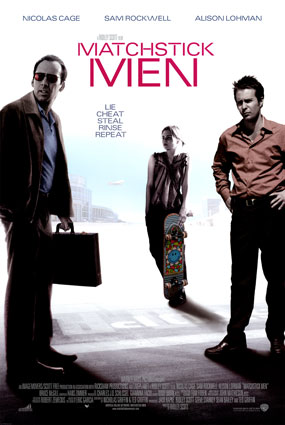
    MATCHSTICK MEN

    Scammers of the elderly

    From IMDB “Roy’s private life, however, is not so successful. An obsessive-compulsive agoraphobe with no personal relationships to call his own, Roy is barely hanging on to his wits, and when his idiosyncrasies begin to threaten his criminal productivity he’s forced to seek the help of a psychoanalyst just to keep him in working order. While Roy is looking for a quick fix, his therapy begets more than he bargained for: the revelation that he has a teenage daughter–a child whose existence he suspected but never dared confirm. What’s more troubling, 14-year-old Angela wants to meet the father she never knew. At first, Angela’s appearance disrupts her neurotic father’s carefully ordered routine. Soon, however, with his own unique spin on parenthood, Roy begins to enjoy a relationship he never dreamed of having with his daughter.”

    1. Context. Much of the time is spent his on his loneliness and issues with his estranged daughter.
    2. Whole person. He steals, but we never see huge suffering from it. We see all the other issues he deals and have sympathy for him.
    3. Processing. We’re focused on the threats to him, not the consequences of his one negative trait.
    4. Fascination. I was fascinated by the scam and this pulled me along through the first.

    CONCLUSION

    What happened in all these stories as I experienced them was that the story carefully managed my view of the hero. He was always on the better side of the antagonists. He was always more good than bad, even if only by a little. And the story focused my attention most of the time on the bad/threats/consequences flowing from the antagonists, not the bad from the hero’s deeds.

    What this shows is that you could write a story about a villain and make him the hero. In some instances it might be exceedingly difficult. For example, I think Hitler would be a hard sell as a hero, someone we’d root for. But the Neo-Nazis prove it’s not too hard a sell for some people. 

    I don’t think recognizing the fact that we can make “bad” people sympathetic means authors are “simply being clever” or “pushing buttons.” After all, to write well you must believe and care about what you’re writing about. YOU have to believe it. Nor do I think it undercuts the notion that we root for people based on a moral stance. It just recognizes the fact that moral judgments, in fact, the vast majority of appraisals of situations, happen quickly with the facts at hand, which are the ones in our working memories. The ones the authors are controlling.

  • What Makes a Great Villain?

    GENUS & SPECIES

    I think there are a few facets to the question posed in the title. But before we get to that, I think we need to define what a villain is.

    A villain is a type of antagonist. Every story has an antagonist, someone or something that opposes the hero or heroine, even if it’s the setting as in Jack London’s “To Build A Fire” or the hero himself as in Jim Carrey’s Liar Liar. But usually the antagonist is another character in the story.

    Antagonists vary in many ways. One way that’s important to the story is how sympathetic they are. The spectrum runs all the way from those who generate fear and loathing to those who generate just a little less sympathy than the hero. Note: we can never feel more sympathy for the antagonist; the moment we do, they become the hero in our eyes. The definition of the antagonist is the person we’re rooting against, the person who is working against the person we’re rooting for.

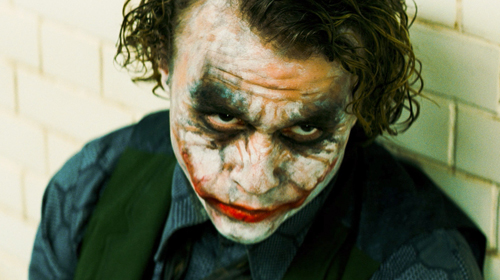
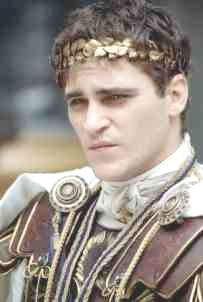
    So a villain is a species of antagonist that generates fear and loathing in the reader. It doesn’t matter if they think they have good reasons for their acts. We still feel they are evil and dangerous. Examples include: Darth Vader, Sauron, the kidnapper in Mel Gibson’s Ransom, Commodus in Gladiator, or the Joker in The Dark Knight.

    So here’s what I’ve noticed about effective villains.

    VILLAINS & STRUCTURE

    1) In a villain/hero story situation, the villain is key because the hero is reacting to the villain’s plan. It’s a total threat/danger plot.

    2) So the villain has to be active. He’s the one who WANTS something. He’s the one that starts the whole story. A weak villain isn’t going after this thing whole-hog or doesn’t have the power to do it or has no urgency and will.

    3) Strong villains are ruthless AND powerful. Villains also need to have some brains–we need to be worried for the hero, remember? We have to know that they’re they type of person  that will take you out if you get in their way. Even if they have a well-spun way of making themselves sound ethical. But villains go beyond other antagonists in that we fear and hate them. They are evil.

    4) The hero needs to be the underdog in the relationship, meaning less powerful, two steps behind, not as easily ruthless etc.  The bigger the plan the more high stakes and high concept the story becomes. But it’s the villain’s plan that drives it. And they will be taking steps to counter the hero, will probably be two steps ahead most of the story.

    5) As always, as with any character, the villain’s plan and motives have to be believable. Even if they are evil. The minute a villain becomes too far-fetched, they lose their power.

    CHARACTER INTEREST

    In addition to the role villains play in the story, there are a number of other things that make them interesting. However, these things are not anything new or different. They’re the same things that make any character (or person) interesting.

    – Larger-Than-Life Attributes (as in experience, power, skill, success, position, or behavior)
    – Eccentricities and Particularities
    – Outrageousness
    – Humor
    – Beauty
    – Surprise (as in against type details, reactions, motivations, or backstory)
    – Inner Conflicts (as in the “ethical” dilemmas they find themselves in)

    While danger and threat draws the attention, rouses interest, and can be sufficient to make a villain memorable, I think the factors mentioned above have a wonderful effect.

    THE CORE QUESTION

    The root question when considering villains is what pushes readers toward the fear and hate of others?

    Of course, it’s relative. But there are qualities that engender these feelings in us. Selfishness, brutality, sadism, madness, cruelty, a complete disregard for others AND the power to carry their wishes out. It’s someone who poses huge, immediate, specific threats to me or those I care about and does it without any concern or with relish. The more intense these factors, I think the more we move along the spectrum towards fear and hate.

    So people say the best villains are those who are the hero’s of their own story and with whom we can empathize. I don’t think this is accurate. The Joker in the Dark Knight was a great villain and may have been the hero of his own story, but never in a million years would I empathize with him. It’s true we can smpathize more with people who agonize and resist horrible acts. And some antagonists do show scruples. But not every story demands that type of antagonist. Sometimes what’s needed is someone who kills grandma horribly and says “so what” or “it was fun”–and engenders fear and hate.

    One last point. “Villain” is a reader attributed characteristic, i.e. the reader is the one who labels the character. This means the person has to be a villain in the READER’S eyes, not necessarily a villain in the eyes of the culture in the story. For example, In Not Without My Daughter the hero subverted and violated the dominant story culture, and I cheered for her. The guy who was sustaining the moral order of the story culture was the villain.

    ROOTING

    From what I can tell, all rooting response is based on some innate sense of justice, of what’s appropriate in a situation. For whatever reason, we feel discomfort when undesireable things happen to good or innocent people. We also feel discomfort when desireable things happen to bad people. The reason why we root for someone is because they have a lack of happiness or a threat to their happiness AND we belive they deserve better. I can’t see anything else we based that deservingness upon except some inner sense of justice.

    It doesn’t mean the deserving person is a goodie two-shoes. It just means that in the context of the story and what’s happening, we think the scales of justice tip, if only slightly, to the hero’s side.

    Some may argue this, but I don’t think it’s possible to root for someone or against someone without a moral judgment. It’s true that not every antagonist needs to or does act immorally. In fact, the antagonist might be doing the right thing, the moral thing, in his or her particular situation, and it just happens to oppose the hero’s desires. The key however, is that the story guides the reader to feel the hero should win at the antagonist’s expense. And that it’s right for the hero to do so. That “rightness” is based on a moral stance of what’s good and desireable in the given situation. The farther along the spectrum of antagonists we move towards villany, the more clear that moral stance becomes.

  • Is 90% of everything really crap?

    Whenever you talk in speculative fiction circles about quality writing you will inevitably hear someone cite Sturgeon’s Law.

    Theodore Sturgeon, a science fiction writer, defended science fiction against critics of the genre who said that 90% of science fiction was crap by saying that 90% of everything–film, literature, consumer goods, etc.–was crap. Therefore, pointing out that 90% of science fiction is crap is ultimately uninformative because science fiction conforms to the same trends of quality as all other artforms do. So neener neener neener.

    The problem with this “law” is that it isn’t a law. It’s not something discovered through rigorous testing and careful evaluation of data. In fact, no testing was performed. It’s an opinion, but “Sturgeon’s Opinion” lacks the authoritative power needed to silence the critics. 

    Unfortunately, while citing the law may be a good way to give the literati what for, it’s a terrible way to think about books. I say this because we often mistake “poor quality” with “it wasn’t to my taste.” By doing so we mislabel diamonds as dirt.

    How can this be? The answer is in the true nature of quality.

    The business world has spent many years and much treasure trying to understand what quality is. I think writers and readers can benefit from the paths they’ve blazed. I found a great summary of quality on Wikipedia.

    Business has tried to define quality in a producer-consumer context, with the following variations:

    1. ISO 9000: “Degree to which a set of inherent characteristic fulfills requirements.”[2] The standard defines requirement as need or expectation.
    2. Six Sigma: “Number of defects per million opportunities.”[3] The metric is tied in with a methodology and a management system.
    3. Philip B. Crosby: “Conformance to requirements.”[4][5] The difficulty with this is that the requirements may not fully represent customer expectations; Crosby treats this as a separate problem.
    4. Joseph M. Juran: “Fitness for use.”[5] Fitness is defined by the customer.
    5. Noriaki Kano and others, presenting a two-dimensional model of quality: “must-be quality” and “attractive quality.”[6] The former is near to the “fitness for use” and the latter is what the customer would love, but has not yet thought about. Supporters characterize this model more succinctly as: “Products and services that meet or exceed customers’ expectations.”
    6. Robert Pirsig: “The result of care.”[7]
    7. Genichi Taguchi, with two definitions:
      a. “Uniformity around a target value.”[8] The idea is to lower the standard deviation in outcomes, and to keep the range of outcomes to a certain number of standard deviations, with rare exceptions.
      b. “The loss a product imposes on society after it is shipped.”[9] This definition of quality is based on a more comprehensive view of the production system.
    8. American Society for Quality: “a subjective term for which each person has his or her own definition. In technical usage, quality can have two meanings:
      a. the characteristics of a product or service that bear on its ability to satisfy stated or implied needs;
      b. a product or service free of deficiencies.”[5]
    9. Peter Drucker: “Quality in a product or service is not what the supplier puts in. It is what the customer gets out and is willing to pay for.”[10]

    The common element of the business definitions is that the quality of a product or service refers to the perception of the degree to which the product or service meets the customer’s expectations. Quality has no specific meaning unless related to a specific function and/or object. Quality is a perceptual, conditional and somewhat subjective attribute.

    What does this mean for writers and readers?

    It means that your audience defines quality. But your audience is never all of those that read. It’s only the narrow segment that reads for the type of experience you’re offering.

    It means that a story can be of the highest quality, but you still may not like it. You might even hate it.

    It means that Sturgeon’s Law is, no disrespect intended, crap.

    All writers should consider NY Times best-seller Tess Gerritsen’s experience writing for two different audiences.

    I’ve had too many smart and well-read friends like stories I do not. I’ve loved too many stories that others could not. I’ve seen too many stories I couldn’t read more than two pages of picked up by editors and find audiences. And the tales of editors passing up on stories that some other editor picked up and which became mega-sellers are legion. 

    Quality has never been an absolute. The truth is that while I enjoy many stories in a variety of genres, a lot of what’s published is not to my taste, but it’s still very good.  

    A more accurate statement of Sturgeon’s Law would be something like “90% of what’s out there isn’t to my taste.”

    For readers this means we need to be careful to distingush between something that doesn’t work for the audience it’s intended for and something that simply doesn’t work for us. For writers this means we need to write the best story we can and then avoid pressing it onto the wrong audience. And when we do get a bad review, we need to figure out if it’s the quality of the story or just a matter of taste.