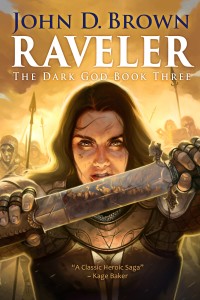
 James Maxey loved met and loved a woman named Laura. She told him she had breast cancer. He didn’t care. Later when the disease advanced, he offered to marry her. She turned him down, but not because she didn’t love him back. The disease progressed.
His posts about this experience are tender and poignant. When you read them you will rejoice. You will sorrow. And you will think about life.
He begins like this:
She was dying when I met her. We met through online personal ads, and she wrote me saying that she liked the philosophy I had sprinkled through my post. I don’t even recall what it said, really–something about finding humor and hope even in down times, I think. And she told me she’d been through some down times. She’d fought breast cancer, her husband had left her when she was diagnosed with the disease. This might send other people into a spiral of despair and self-pity that they could never pull out of. But, she hadn’t surrendered to her worries and woes. She bested them, and went on to live a terrific life. She had gotten a butterfly tattoo–it was her symbol of transformation. The time of her cancer and her divorce were when she had been drawn into her cocoon. But she’d emerged with wings.
Here are the five I would read. They’re short. So take some time. Savor them.
When you finish, you might then want receive a free book of his in exchange for a donation (of any size; yes, even for just one buck), to the Susan G. Komen Breast Cancer foundation. To make a donation vist his Books for Breast webpage.
Then live and love while the sun shines. And be glad.
 Everybody knows that we got into this recession because banks began lending money to people who had terrible credit ratings, right? People who didn’t have to prove they even had a job. I mean, how long are you going to stay in business when you keep handing out dough to people you never hear from again?
 Take a guy who does humorous journalism, but not in the sneering sort of way, and send him out to find out more about extremists (KKK, Islamicists, etc.) and conspiracy theories (he didn’t really believe in the Bildeburgers…until he was followed), and what do you get?
 Scott Card recently wrote “