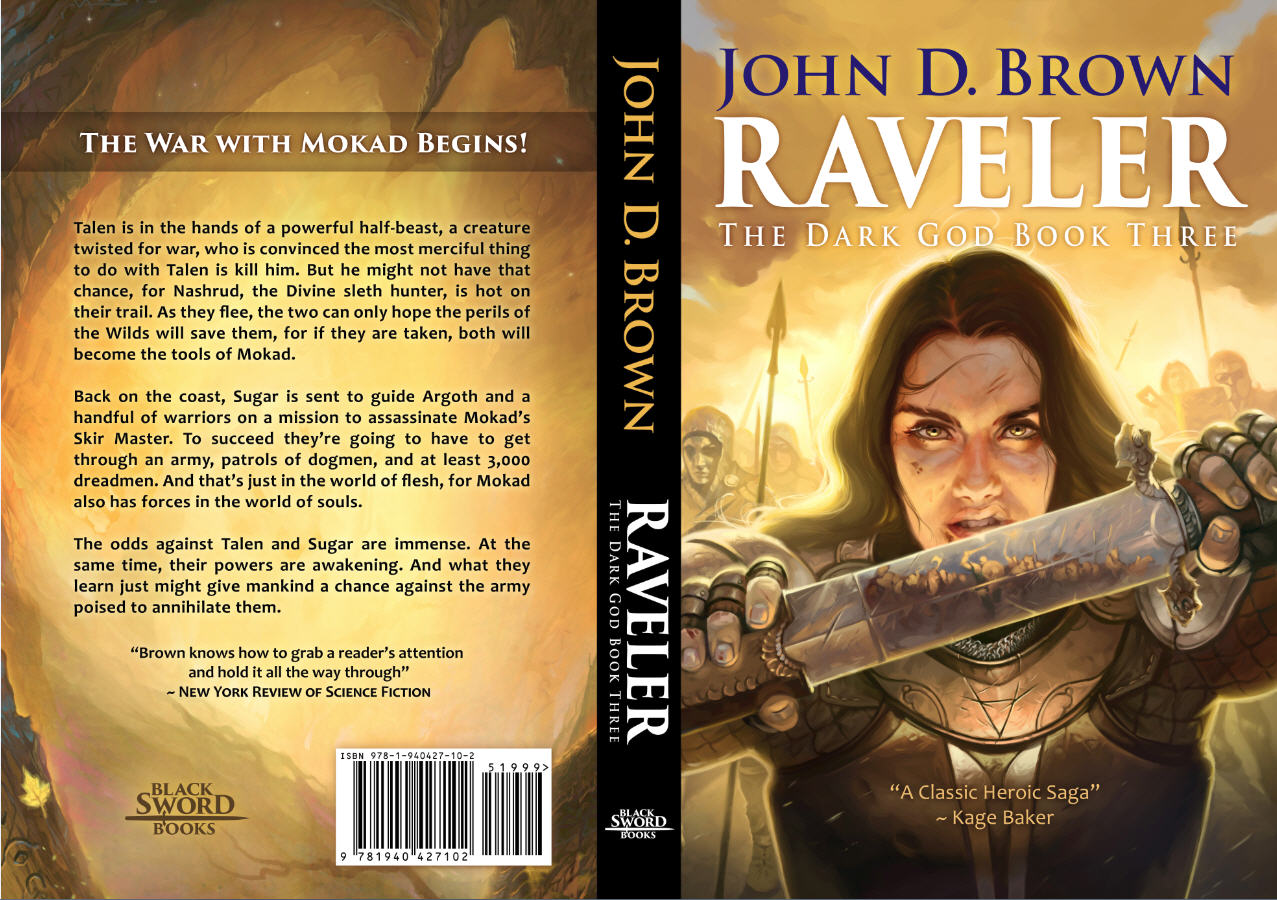
Bad Penny available on iTunes
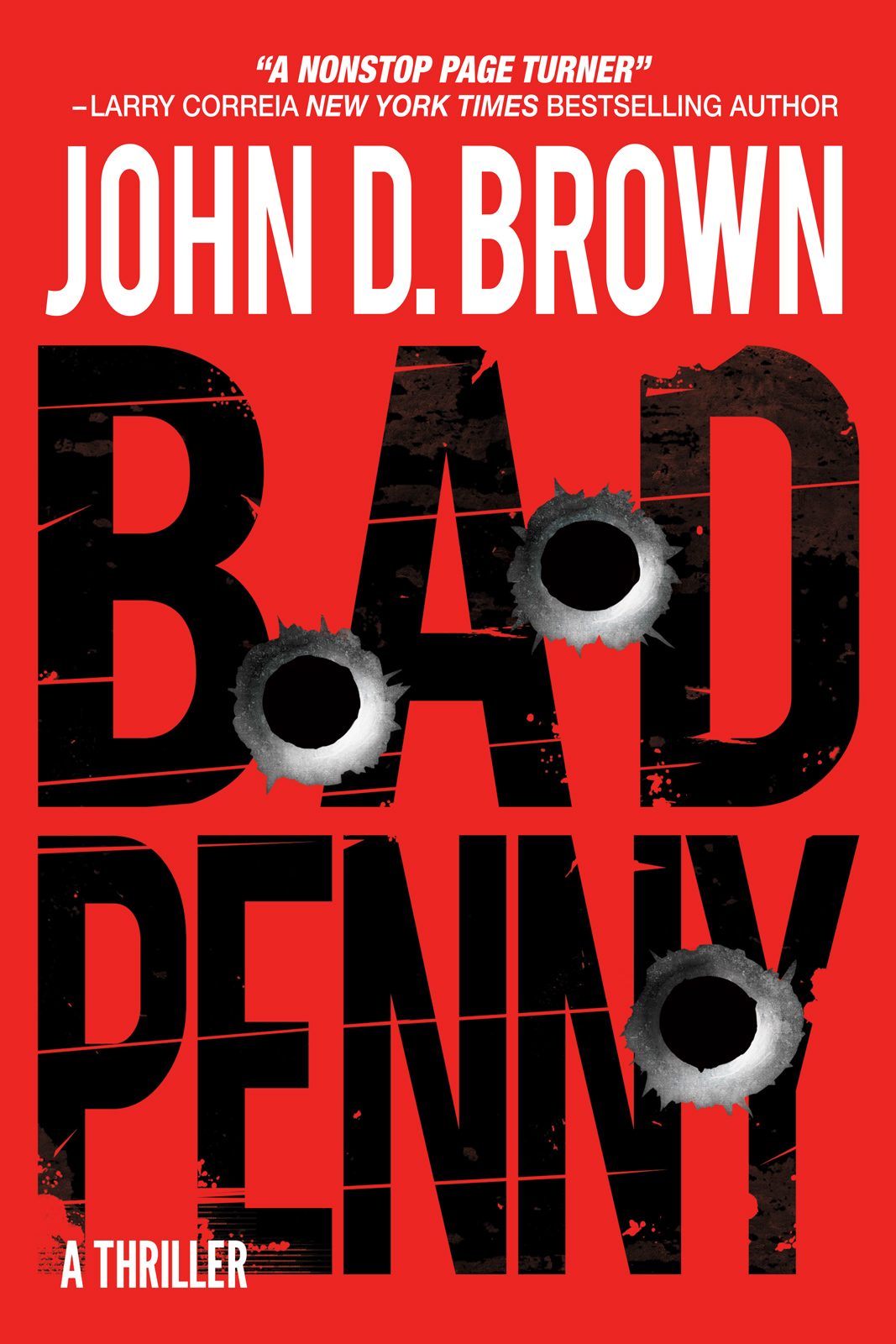 Bad Penny’s iTunes saga has finally ended. You iTunes, iPhone, Apple lovers can find it here: Bad Penny – John D. Brown
Bad Penny’s iTunes saga has finally ended. You iTunes, iPhone, Apple lovers can find it here: Bad Penny – John D. Brown
Then you want to be in Provo, Utah this Thursday, Friday, and Saturday, February 11-13th, and attend Life, The Universe & Everything, the annual science fiction and fantasy writing conference. (I think students get in free.)
If you live within a reasonable driving distance (I’m 2.5 hours away and consider that reasonable), then you should do everything you can to get down there. It’s going to be a blast. It and LDStorymakers are THE best conferences for writing that I know of in Utah, Nevada, Idaho, Wyoming, Colorado, and Arizona. And if you’re into SFF, then it’s the one. I mean, just check out the list of guests.
I’ll be on the Role of Magic in Your Story and Distributing Your Novel panels. Look at the schedule and check out the guests who will be on those panels with me. Yeah. Awesome.
And then I’ll be presenting Vivid and Clear by myself and Succeeding as a Writer with L.L. Muir, which is going to reveal some things that will surprise a lot of people.
BTW, L.L. Muir is the best kept secret success story in Utah at the moment. She’s selling thousands of books, pleasing thousands of readers, and making, well, you’ll have to come to that presentation find out how much money she’s making. And what the secrets to her success are.
Carrie Hinkel-Gill at Moonlight, Lace and Mayhem has been interviewing me. It’s been thought-provoking and fun and is presented in four weekly installments. Check it out: http://mlmfantasy.blogspot.com/
There are a thousand things to “remember” when writing story. New writers who make lists of these things soon begin to drown in them. But I’ve come to realize that many of these “rules” don’t matter.
They don’t matter because many ignore the function of story. And so you can’t know how and when to apply them, or if they’re even something you should apply in the first place. Furthermore, a good number that do tie back to function often have little impact.
The more I develop and write, the more I begin to see that the key is to focus on a liminted number of fundamentals. To focus on the things that matter most.
So what really matters when you’re writing a story?
I’m going to be speaking for an hour at the Book Academy tomorrow. It’s at Utah Valley University. The week after I’ll be presenting all day at the American Fork Arts Council’s autumn writer’s conference. I will probably write up all my thoughts and post them to my site at some time. But for right now this is where you can hear them.
I truly believe the Pareto Principle applies to writing. But you can’t go searching for those vital few factors until you know the effects they’re supposed to produce. Form follows function. And the function is something that happens in the reader.
Here’s a nibble. This quote from David Howard is an example of what I’m talking about.
“As we’ve seen, what the audience hopes for and what the characters hope for need not be the same thing. The same is true of our fears versus their fears. But how do hope and fear fit into the scheme of storytelling? Hope and fear are about the future. They derive from uncertaintly about future events in the story, future decisions the characters might make, future discoveries or revelations that might be unearthed, future outside forces and how they will influence the journey of the characters. When we discuss hope verusus fear in dramaturgical terms, this uncertainty is a function solely of the audience and its experience [my emphasis]. This is dramatic tension. We hope the man with the cobra in the shoe box won’t open the box; we fear he might and get himself or someone else bitten. We don’t know what will happen, but we know what might happen and therefore feel tension about those possibilities” (How to Build a Great Screenplay, 52).
Readers buy novels because novels provide a service. They provide something to the reader. They DO something to the reader. That’s why readers pay good money for them, and stay up late at night (well past smart bedtimes) with them, and spend hours of their lives reading them.
What do stories do? What are the key factors that have to be present in the stories for them to be able to do these things? How do you help readers hope and fear for what might happen?
I’m no story guru, but I do hope to share some of the vital few factors I see in the presentations I’ll be giving this week and next.
A true story.
There once was a spider who climbed into a lush, seven-foot fir tree somewhere in Oregon. This happened sometime in September or October. She wove a small, silken pad deep among the needles and laid hundreds of eggs upon it. Then she spun layer after layer of silk over them, sealing them in a warm, white chamber. Her life’s work.
Having fulfilled the measure of her creation, she went where all spiders go. But where is that? Are spiders elegant biological machines, or are they living souls? I don’t know. Perhaps at some future date we’ll be blessed to understand such things.
What we do know is this: as autumn cooled, the temperature dropped below fifty degrees, and her eggs slipped into dormancy. October passed into November. And sometime in the last days of November or early December, humans with chainsaws arrived for the final harvest.
The tree was cut, loaded onto a truck, bundled into a refrigerated trailer, and shipped hundreds of miles away to a Smith’s Marketplace in Logan, Utah. There is stood with a number of other trees in the area just outside the front doors in the snow and cold and fluorescent lights. How many days and nights it waited there, we don’t know. But one evening, a mother and father and their four girls arrived to find their Christmas tree.
They walked among the evergreens, feeling for soft needles, breathing in the deep, resinous smells. They found the tree. It was perfect. They paid for it, tied it to the top of their minivan, and drove home over the mountains to the south end of the lake. Then they set it up, the father complaining, as he always did, about the goofy screw-stabilizers, strung the lights, and hung ornaments from past Christmases. The little tree filled the room with warmth, scent, and memory.
On Christmas morning they came down to open presents. As the sun rose, the light through the front window illuminated the tree. And something was different.
The branches shimmered.
The girls peered closer to investigate.
And found thin silk filaments. Everywhere. And then, to their shock, they saw that the whole tree was alive, moving with hundreds of baby spiders. A small horde that had warmed over the days and hatched silently sometime in the deep night after Santa and Mrs. Claus had gone to bed. A small horde that had then gotten to work—tiny, mad elves weaving their own gossamer garlands through the branches.
When the girls realized what they were seeing, there were shrieks of horror. Then the father, not knowing what else to do, escorted the tree, its decorations, and mad elves outside into the cold. The father returned, closed the door, and the whole family stood there, looking at the tree out on the deck, a bit stunned.
All these years later, it’s one of our family’s warm and funny memories. But if you ponder it just a little longer, it’s also one that lingers.
Are spiders merely elegant machines? Or are they living souls? Do they have claim upon us? Should a swarm of locusts or an infestation of roaches be preserved?
I will leave such questions to you, Dear Reader.
In the meantime, I wish you the merriest of Christmases. Whatever you believe or don’t, may you receive a measure of divine light this season—and reflect it, to brighten the world, if even just a little, for creatures both great and small.
John
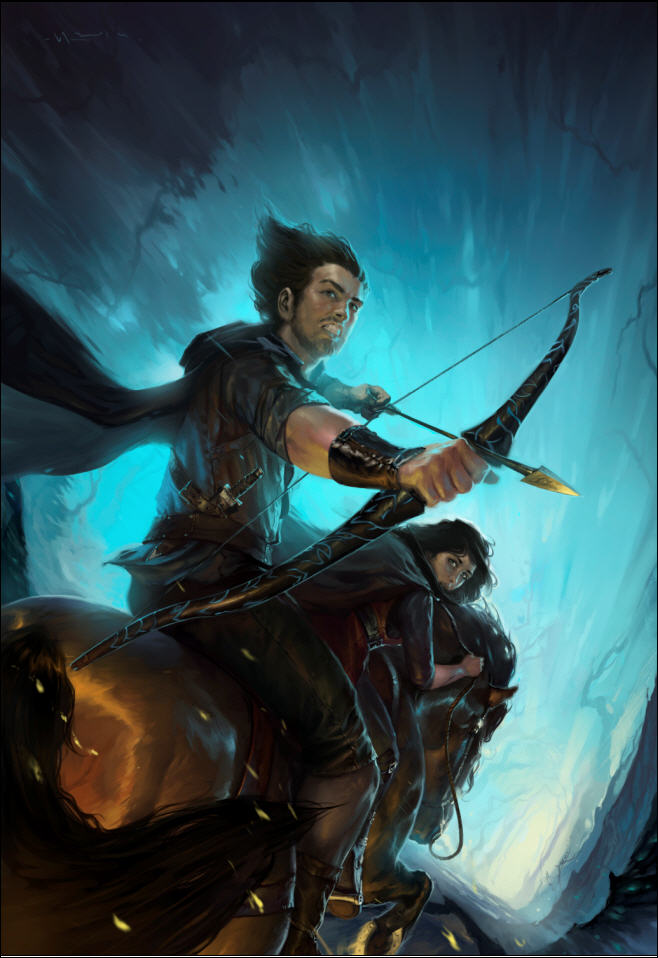 I’ve been diligently moving forward with CURSE.
However, it’s not been in a straight line. While working on the ending last week, I realized that I no longer had the word limit constraints I had with Tor.
Of course, I knew that, but I hadn’t gone back to my previous draft that had been written to meet Tor’s limits and asked: should I put back in anything that I was forced to cut?
But while writing the ending last week I realized that in the last revision I had removed an awesome sequence that introduces the villain of the tale. I’d done it to save the word count. I’d written another entrance. It was good given the constraints, but it didn’t have the cool wattage that this one did.
Not even close.
I love great character entrances. Could I put it back it?
The answer was a resounding yes!
So this week was spent rewriting that entrance (and now it’s even better than it was) and fitting it into the story (and slid in so smoothly and made it so much better).
Folks, you will now get to see the naked orange-eyed priest of Mungo.
Back in July, I contacted the talented Victor Minguez again to do this cover. I sent him a creative brief with three scenes that I thought would work well. Victor read the passages, then came back with some sketches.
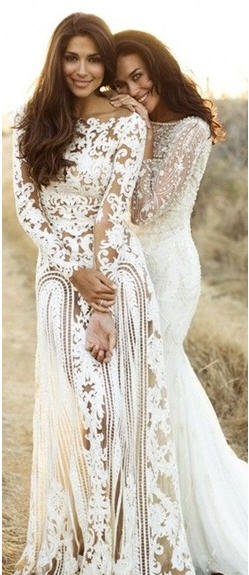
One of the scenes was of Sugar, battling howlers in the world of soul. Two parts of the reference I gave were the following. The first suggested an interesting lace pattern that fit my image of Sugar’s skenning. The second was a dead ringer for a howler. It’s actually “Lion,” made of used tires and steel by Yong Ho Ji. Okay I found it on Pinterest. But it’s absolutely gorgeous. I really thought this scene with Sugar would be the one.

Victor’s sketch is below. You can see the howlers in the foreground about to attack.

The second and third scenes were of Argoth facing down Mokad’s Guardian and Matiga and her fell-maidens in the final battle. The fell-maidens are women you don’t want to mess with. Some of the reference included these. BTW, if you’re interested in other images I’ve captured, feel free to browse my Pinterest collections.

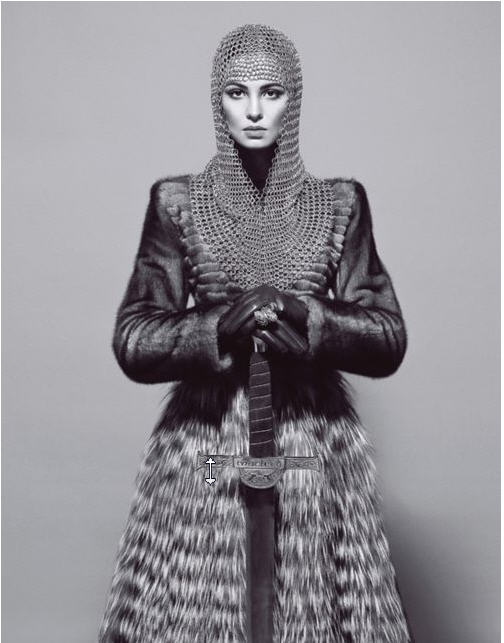

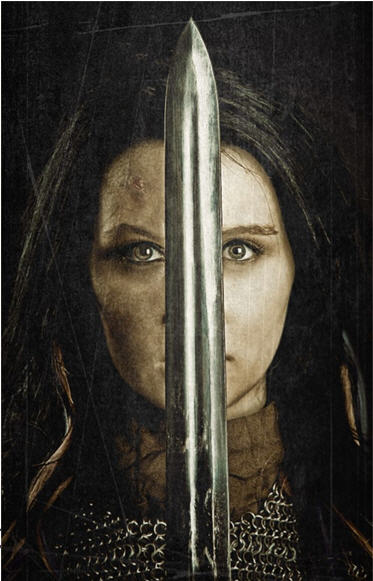
This is the sketch he came back with. His notes explained that the enemy line would be reflected in the sword.
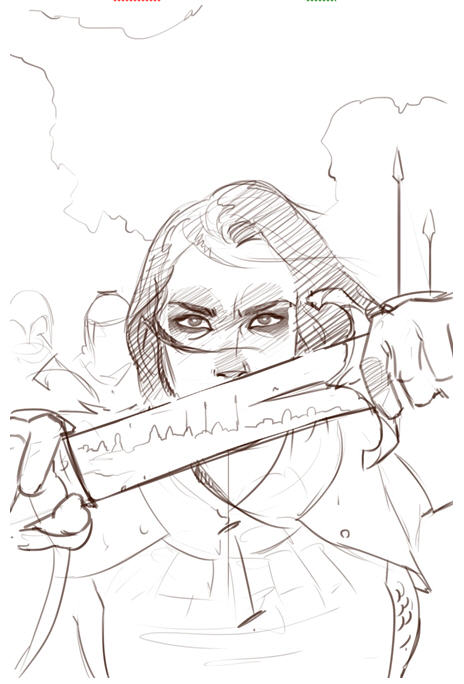
I love the idea of Sugar and those howlers. I can see the image in my mind, and it’s awesome. But we felt this would make a more appealing cover. Maybe someday we’ll pay for someone to do that Sugar illustration just for the heck of it.
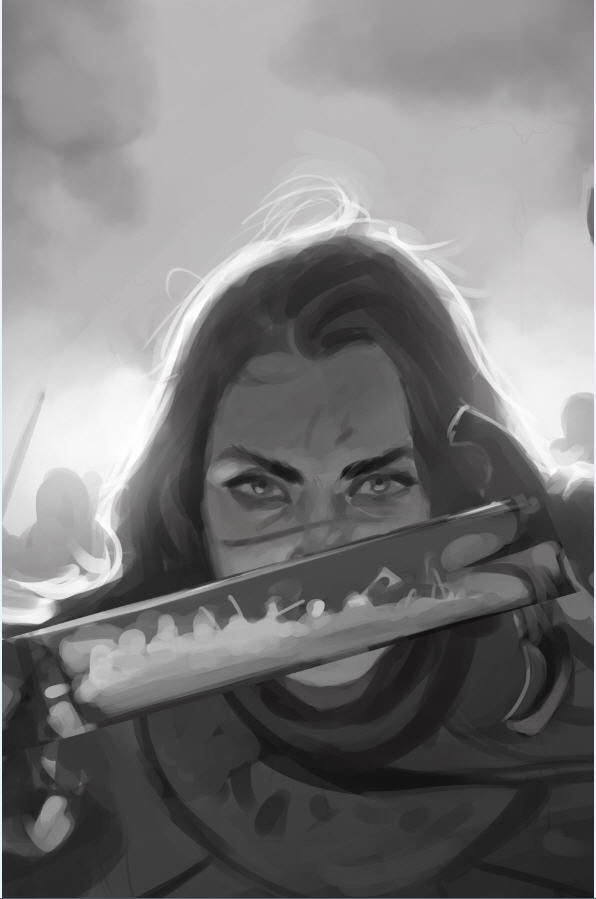
The next step was to do a value study. This was the first.
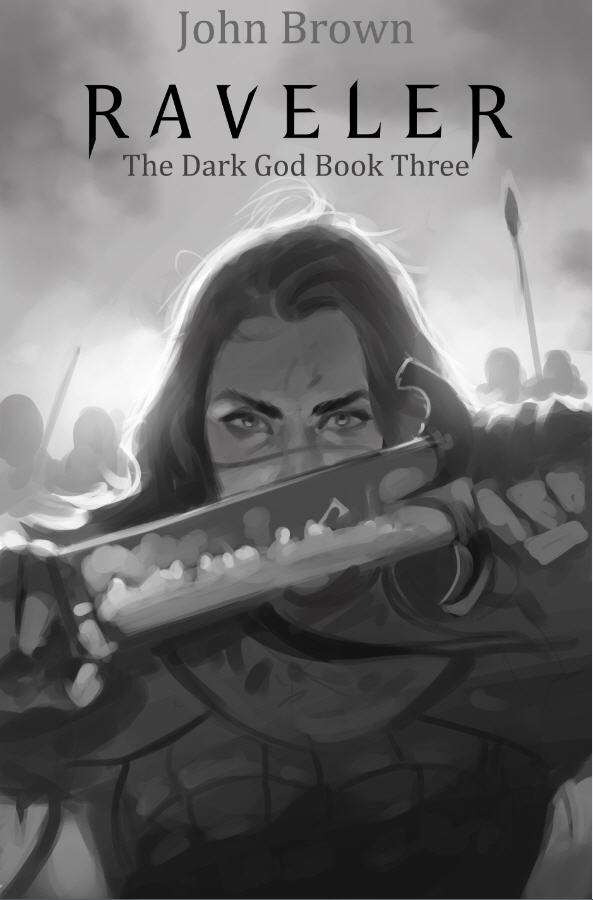
I wanted to see what a couple of variations might look like.
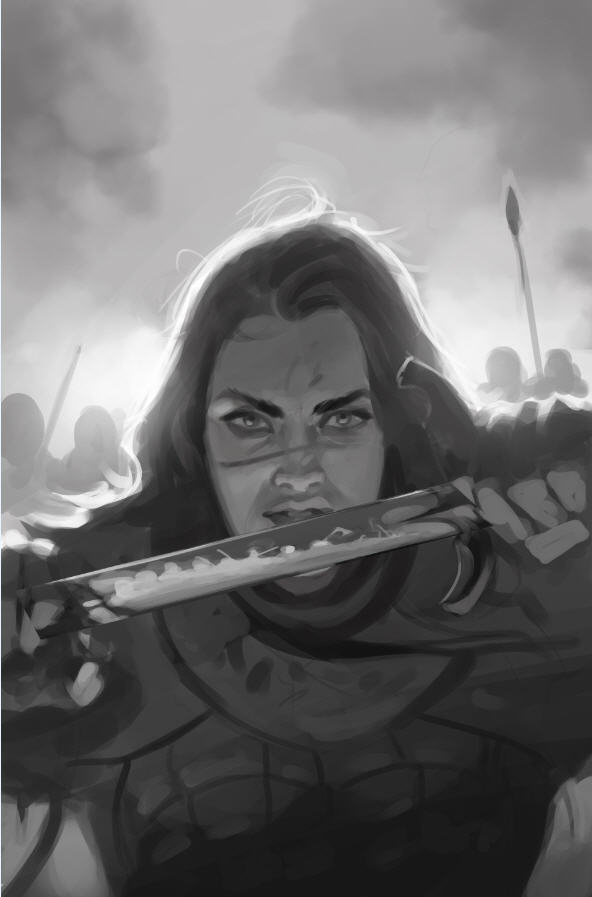
Ultimately, I thought all three of these were powerful. The first two really draw attention to her eyes and give a great focal point and hierarchy. In fact, I still go back and forth even now. But I did like seeing more of her face. I think anyone of them could have been great, but we ended up going with the third. A little magic from the artist, and Shazam!
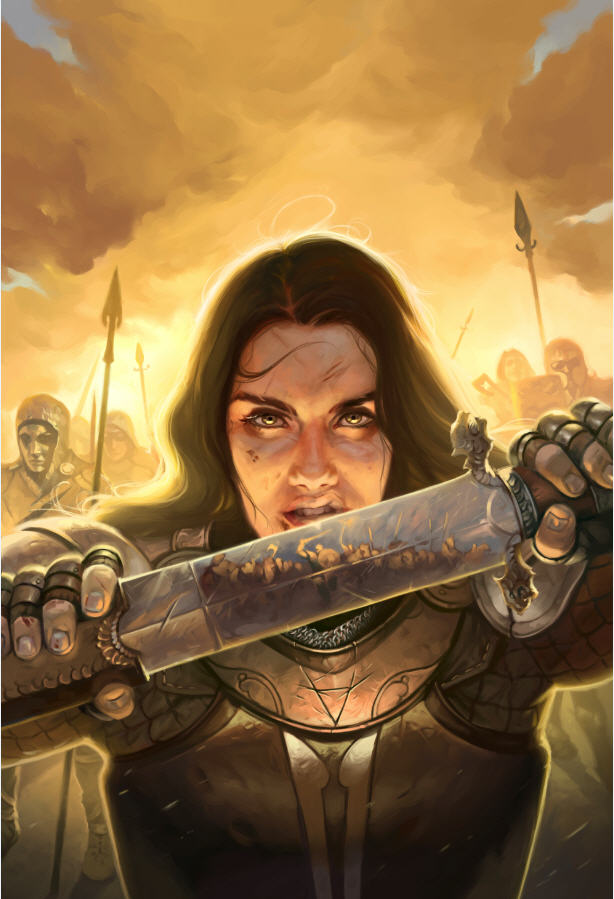
There are a lot of things to love about this. Victor’s gorgeous backlighting and halo effects. The part of the story told in the reflection in the sword. And the fact that this woman is not some fluff bunny, running around in ridiculous bikini wear. She’s even got a bit of sneer or growl going on. My friends, this is a freaking fell-maiden. I also like that Victor etched an important symbol into the armor.
Here’s the illustration in the cover.