| Title |
Total |
% |
Rank |
| The hunger games / Suzanne Collins |
374 |
1.13% |
1 |
| Catching fire / Suzanne Collins |
273 |
0.82% |
2 |
| Mockingjay / Suzanne Collins |
241 |
0.73% |
3 |
| The lightning thief / Rick Riordan |
197 |
0.59% |
4 |
| The last Olympian / Rick Riordan |
194 |
0.59% |
5 |
| The short second life of Bree Tanner : an Eclipse novella / Stephenie Meyer |
181 |
0.55% |
6 |
| Harry Potter and the deathly hallows / J. K. Rowling |
160 |
0.48% |
7 |
| Forest born / Shannon Hale |
155 |
0.47% |
8 |
| The red pyramid / Rick Riordan |
143 |
0.43% |
9 |
| The sea of monsters / Rick Riordan |
139 |
0.42% |
10 |
| Princess of glass / by Jessica Day George |
113 |
0.34% |
11 |
| The Titan’s curse / Rick Riordan |
110 |
0.33% |
12 |
| City of bones / Cassandra Clare |
109 |
0.33% |
13 |
| The book thief / by Markus Zusak |
108 |
0.33% |
14 |
| Brisingr / Christopher Paolini |
101 |
0.30% |
15 |
| The battle of the Labyrinth / Rick Riordan |
99 |
0.30% |
16 |
| Book of a thousand days / by Shannon Hale |
96 |
0.29% |
17 |
| New moon / Stephenie Meyer |
94 |
0.28% |
18 |
| Harry Potter and the half-blood prince / by J. K. Rowling |
87 |
0.26% |
19 |
| Breaking dawn / Stephenie Meyer |
87 |
0.26% |
20 |
| Tempted : a house of night novel / P.C. Cast and Kristin Cast |
86 |
0.26% |
21 |
| Eclipse / by Stephenie Meyer |
86 |
0.26% |
22 |
| Twilight / by Stephenie Meyer |
81 |
0.24% |
23 |
| Night world / L. J. Smith |
81 |
0.24% |
24 |
| River secrets / by Shannon Hale |
79 |
0.24% |
25 |
| City of ashes / Cassandra Clare |
79 |
0.24% |
26 |
| City of Glass / Cassandra Clare |
78 |
0.24% |
27 |
| Princess Academy / Shannon Hale |
76 |
0.23% |
28 |
| Uglies / Scott Westerfeld |
69 |
0.21% |
29 |
| Chosen : a house of night novel / P.C. Cast and Kristin Cast |
69 |
0.21% |
30 |
| Princess of the Midnight Ball / by Jessica Day George |
68 |
0.21% |
31 |
| The hourglass door : a novel / by Lisa Mangum |
65 |
0.20% |
32 |
| Pretties / Scott Westerfeld |
63 |
0.19% |
33 |
| Shiver / Maggie Stiefvater |
62 |
0.19% |
34 |
| The lost hero / Rick Riordan |
62 |
0.19% |
35 |
| Witch & wizard / James Patterson and Gabrielle Charbonnet |
61 |
0.18% |
36 |
| The dark Divine / Bree Despain |
61 |
0.18% |
37 |
| Untamed : a house of night novel / P.C. Cast and Kristin Cast |
59 |
0.18% |
38 |
| The golden spiral / Lisa Mangum |
59 |
0.18% |
39 |
| Enna burning / Shannon Hale |
59 |
0.18% |
40 |
| Fire / Kristin Cashore |
58 |
0.17% |
41 |
| Erak’s ransom / John Flanagan |
58 |
0.17% |
42 |
| Wings / Aprilynne Pike |
57 |
0.17% |
43 |
| Spirit bound / Richelle Mead |
57 |
0.17% |
44 |
| The siege of Macindaw / John Flanagan |
57 |
0.17% |
45 |
| Blood promise : a Vampire Academy novel / Richelle Mead |
57 |
0.17% |
46 |
| Syren / Angie Sage |
56 |
0.17% |
47 |
| Betrayed : a house of night novel / P. C. Cast and Kristin Cast |
56 |
0.17% |
48 |
| Specials / Scott Westerfield |
54 |
0.16% |
49 |
| The golden compass / by Philip Pullman |
54 |
0.16% |
50 |
| The awakening / Kelley Armstrong |
54 |
0.16% |
51 |
| Marked : a house of night novel/ P. C. Cast and Kristin Cast |
53 |
0.16% |
52 |
| Magyk / Angie Sage |
53 |
0.16% |
53 |
| Fang : a Maximum Ride novel / James Patterson |
53 |
0.16% |
54 |
| The burning bridge / John Flanagan |
53 |
0.16% |
55 |
| The ruins of Gorlan / John Flanagan |
52 |
0.16% |
56 |
| The goose girl / Shannon Hale |
52 |
0.16% |
57 |
| The alchemyst : the secrets of the immortal Nicholas Flamel / Michael Scott |
52 |
0.16% |
58 |
| The maze runner / James Dashner |
51 |
0.15% |
59 |
| Inkdeath / Cornelia Funke |
51 |
0.15% |
60 |
| Hush, hush / Becca Fitzpatrick |
50 |
0.15% |
61 |
| The Looking Glass Wars / by Frank Beddor |
49 |
0.15% |
62 |
| Burned : a house of night novel / P. C. Cast and Kristin Cast |
49 |
0.15% |
63 |
| What I saw and how I lied / Judy Blundell |
48 |
0.14% |
64 |
| Eragon / Christopher Paolini |
48 |
0.14% |
65 |
| The merchant of death / by D.J. MacHale |
47 |
0.14% |
66 |
| Graceling / Kristin Cashore |
47 |
0.14% |
67 |
| The necromancer / Michael Scott |
46 |
0.14% |
68 |
| Beauty sleep / Cameron Dokey |
46 |
0.14% |
69 |
| Artemis Fowl / Eoin Colfer |
46 |
0.14% |
70 |
| A great and terrible beauty / Libba Bray |
45 |
0.14% |
71 |
| The demigod files / Rick Riordan |
45 |
0.14% |
72 |
| The Van Alen legacy : a Blue Bloods novel / Melissa de la Cruz |
44 |
0.13% |
73 |
| Spells / Aprilynne Pike |
44 |
0.13% |
74 |
| The sorcerer of the north / John Flanagan |
44 |
0.13% |
75 |
| The battle for Skandia / John Flanagan |
44 |
0.13% |
76 |
| Artemis Fowl. The Atlantis complex / Eoin Colfer |
44 |
0.13% |
77 |
| Theodore Boone : kid lawyer / John Grisham |
43 |
0.13% |
78 |
| Evermore / Alyson Noèel |
43 |
0.13% |
79 |
| Clockwork angel / Cassandra Clare |
43 |
0.13% |
80 |
| Physik / Angie Sage |
42 |
0.13% |
81 |
| Eldest / by Christopher Paolini |
42 |
0.13% |
82 |
| Captivate / Carrie Jones |
42 |
0.13% |
83 |
| Twice upon a Marigold / Jean Ferris |
41 |
0.12% |
84 |
| The Shadow Project / by Herbie Brennan |
41 |
0.12% |
85 |
| The reckoning / Kelley Armstrong |
41 |
0.12% |
86 |
| The kings of Clonmel / John Flanagan |
41 |
0.12% |
87 |
| Gone / by Lisa McMann |
41 |
0.12% |
88 |
| Fallen / Lauren Kate |
41 |
0.12% |
89 |
| Don’t judge a girl by her cover / Ally Carter |
41 |
0.12% |
90 |
| Tennis shoes among the Nephites / Chris Heimerdinger |
40 |
0.12% |
91 |
| The princess and the hound / Mette Ivie Harrison |
40 |
0.12% |
92 |
| Heist society / Ally Carter |
40 |
0.12% |
93 |
| Golden / Cameron Dokey |
40 |
0.12% |
94 |
| Dragon spear / by Jessica Day George |
40 |
0.12% |
95 |
| Dragon flight / Jessica Day George |
40 |
0.12% |
96 |
| Queste / Angie Sage |
39 |
0.12% |
97 |
| Need / Carrie Jones |
39 |
0.12% |
98 |
| Messenger / Lois Lowry |
39 |
0.12% |
99 |
| Bloodhound / Tamora Pierce |
39 |
0.12% |
100 |
| Wild orchid : a retelling of “The ballad of Mulan” / by Cameron Dokey |
38 |
0.11% |
101 |
| The chronicles of Vladimir Tod : eleventh grade burns / Heather Brewer |
38 |
0.11% |
102 |
| Terrier / Tamora Pierce |
38 |
0.11% |
103 |
| Revenge of the witch / Joseph Delaney |
38 |
0.11% |
104 |
| Inkheart / Cornelia Funk |
38 |
0.11% |
105 |
| Howl’s moving castle / Diana Wynne Jones |
38 |
0.11% |
106 |
| The diamond secret / by Suzanne Weyn |
38 |
0.11% |
107 |
| Darklight : a novel / Lesley Livingston |
38 |
0.11% |
108 |
| Pretty little liars / Sara Shepard |
37 |
0.11% |
109 |
| Just Ella / Margaret Peterson Haddix |
37 |
0.11% |
110 |
| The icebound land / John Flanagan |
37 |
0.11% |
111 |
| Harry Potter and the goblet of fire / by J.K. Rowling |
37 |
0.11% |
112 |
| Dreamhunter / Elizabeth Knox |
37 |
0.11% |
113 |
| Destiny’s path / Frewin Jones |
37 |
0.11% |
114 |
| Crocodile tears / Anthony Horowitz |
37 |
0.11% |
115 |
| The body finder / by Kimberly Derting |
37 |
0.11% |
116 |
| Violet eyes : a retelling of “The princess and the pea” / Debbie Viguie |
36 |
0.11% |
117 |
| They never came back / Caroline B. Cooney |
36 |
0.11% |
118 |
| The summoning / Kelley Armstrong |
36 |
0.11% |
119 |
| The soldiers of Halla / D.J. MacHale |
36 |
0.11% |
120 |
| Shadowland / Alyson Noèel |
36 |
0.11% |
121 |
| The princess and the snowbird / Mette Ivie Harrison |
36 |
0.11% |
122 |
| The magician / Michael Scott |
36 |
0.11% |
123 |
| The luxe / Anna Godbersen |
36 |
0.11% |
124 |
| Gathering blue / Lois Lowry |
36 |
0.11% |
125 |
| Blue moon : the Immortals / Alyson Noèel |
36 |
0.11% |
126 |
| Sun and moon, ice and snow / Jessica Day George |
35 |
0.11% |
127 |
| The princess and the bear / Mette Ivie Harrison |
35 |
0.11% |
128 |
| Once upon a Marigold / Jean Ferris |
35 |
0.11% |
129 |
| The lost city of Faar / D.J. MacHale |
35 |
0.11% |
130 |
| Lord Sunday / Garth Nix |
35 |
0.11% |
131 |
| Linger / Maggie Stiefvater |
35 |
0.11% |
132 |
| The Forest of Hands and Teeth / Carrie Ryan |
35 |
0.11% |
133 |
| Extras / Scott Westerfeld |
35 |
0.11% |
134 |
| Betraying season / Marissa Doyle |
35 |
0.11% |
135 |
| Thirteen reasons why : a novel / by Jay Asher |
34 |
0.10% |
136 |
| Squire / by Tamora Pierce |
34 |
0.10% |
137 |
| Midnight pearls : a retelling of “The little mermaid” / Debbie Viguie |
34 |
0.10% |
138 |
| Harry Potter and the Order of the Phoenix / by J.K. Rowling |
34 |
0.10% |
139 |
| Ever / Gail Carson Levine |
34 |
0.10% |
140 |
| The dead-tossed waves / Carrie Ryan |
34 |
0.10% |
141 |
| Clash of the demons / by Joseph Delaney |
34 |
0.10% |
142 |
| Cameron Meets Madison./ Jack Weyland |
34 |
0.10% |
143 |
| Belle : a retelling of “Beauty and the beast” / by Cameron Dokey |
34 |
0.10% |
144 |
| Before midnight : a retelling of “Cinderella” / by Cameron Dokey |
34 |
0.10% |
145 |
| Beastly / Alex Flinn |
34 |
0.10% |
146 |
| Artemis Fowl : the Arctic incident / Eoin Colfer |
34 |
0.10% |
147 |
| The Amaranth enchantment / Julie Berry |
34 |
0.10% |
148 |
| Alcatraz versus the Knights of Crystallia / by Brandon Sanderson |
34 |
0.10% |
149 |
| Alanna the first adventure / by Tamora Pierce |
34 |
0.10% |
150 |
| Splendor : a Luxe novel / Anna Godbersen |
33 |
0.10% |
151 |
| Shadow kiss : a Vampire Academy novel/ by Richelle Mead |
33 |
0.10% |
152 |
| Seeing Redd / by Frank Beddor |
33 |
0.10% |
153 |
| Claim to fame / Margaret Peterson Haddix |
33 |
0.10% |
154 |
| Beautiful creatures / by Kami Garcia and Margaret Stohl |
33 |
0.10% |
155 |
| White cat / Holly Black |
32 |
0.10% |
156 |
| The sweet far thing / Libba Bray |
32 |
0.10% |
157 |
| Radiant shadows / Melissa Marr |
32 |
0.10% |
158 |
| Incarceron / by Catherine Fisher |
32 |
0.10% |
159 |
| Gadiantons and the silver sword / by Chris Heimerdinger |
32 |
0.10% |
160 |
| Dragon slippers / Jessica Day George |
32 |
0.10% |
161 |
| A coven of witches / by Joseph Delaney |
32 |
0.10% |
162 |
| Being Nikki : an airhead novel / Meg Cabot |
32 |
0.10% |
163 |
| Artemis Fowl. The time paradox / Eoin Colfer |
32 |
0.10% |
164 |
| The woman who rides like a man / by Tamora Pierce |
31 |
0.09% |
165 |
| Winter’s child / Cameron Dokey |
31 |
0.09% |
166 |
| The sorceress / Michael Scott |
31 |
0.09% |
167 |
| Rules of attraction / Simone Elkeles |
31 |
0.09% |
168 |
| Radiant darkness / Emily Whitman |
31 |
0.09% |
169 |
| Once a witch / by Carolyn MacCullough |
31 |
0.09% |
170 |
| A kiss in time / Alex Flinn |
31 |
0.09% |
171 |
| Heroes of the valley / Jonathan Stroud |
31 |
0.09% |
172 |
| First test / Tamora Pierce |
31 |
0.09% |
173 |
| The crimson thread : a retelling of “Rumpelstiltskin” / by Suzanne Weyn |
31 |
0.09% |
174 |
| Blue bloods / Melissa de la Cruz |
31 |
0.09% |
175 |
| Before i fall / Lauren Oliver |
31 |
0.09% |
176 |
| Alcatraz versus the Scrivener’s Bones / by Brandon Sanderson |
31 |
0.09% |
177 |
| The warrior heir / Cinda Williams Chima |
30 |
0.09% |
178 |
| Vampire rising / Jason Henderson |
30 |
0.09% |
179 |
| Rebel angels / Libba Bray |
30 |
0.09% |
180 |
| Princess Ben / Catherine Murdock |
30 |
0.09% |
181 |
| The never war / D.J. MacHale |
30 |
0.09% |
182 |
| Max : a Maximum Ride novel / James Patterson |
30 |
0.09% |
183 |
| In the hand of the goddess / by Tamora Pierce |
30 |
0.09% |
184 |
| Flyte / Angie Sage |
30 |
0.09% |
185 |
| Faerie wars / by Herbie Brennan |
30 |
0.09% |
186 |
| Dreamquake : book two of the Dreamhunter duet / Elizabeth Knox |
30 |
0.09% |
187 |
| Cross my heart and hope to spy / Ally Carter |
30 |
0.09% |
188 |
| Cirque du freak : a living nightmare / by Darren Shan |
30 |
0.09% |
189 |
| Birthmarked / Caragh M. O’Brien |
30 |
0.09% |
190 |
| Artemis Fowl : the eternity code / Eoin Colfer |
30 |
0.09% |
191 |
| Alcatraz versus the evil Librarians / by Brandon Sanderson |
30 |
0.09% |
192 |
| Wicked lovely / Melissa Marr |
29 |
0.09% |
193 |
| Water song : a retelling of “The frog prince” / by Suzanne Weyn |
29 |
0.09% |
194 |
| Wake / Lisa McMann |
29 |
0.09% |
195 |
| Violet wings / Victoria Hanley |
29 |
0.09% |
196 |
| Strange angels / Lili St. Crow |
29 |
0.09% |
197 |
| Princess for hire / Lindsey Leavitt |
29 |
0.09% |
198 |
| Maximum Ride : the final warning / James Patterson |
29 |
0.09% |
199 |
| Maximum Ride : school’s out– forever / by James Patterson |
29 |
0.09% |
200 |
| Lament : the faerie queen’s deception / Maggie Stiefvater |
29 |
0.09% |
201 |
| Lady knight / Tamora Pierce |
29 |
0.09% |
202 |
| House of many ways / Diana Wynne Jones |
29 |
0.09% |
203 |
| Going bovine / Libba Bray |
29 |
0.09% |
204 |
| The enchanted quest / Frewin Jones |
29 |
0.09% |
205 |
| The dragon heir / Cinda Williams Chima |
29 |
0.09% |
206 |
| Black water / D.J. MacHale |
29 |
0.09% |
207 |
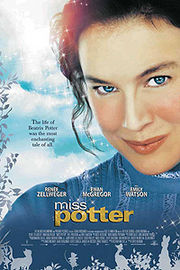 How many shows are good enough that you can walk into them partway through and within a minute become completely engrossed? I found two this week. The first is the 2006 film Miss Potter, which tells the story of Beatrix Potter (1866-1943), who is the best selling children’s author of all time. You might know her by the most famous of her 23 illustrated children’s stories: The Tale of Peter Rabbit.
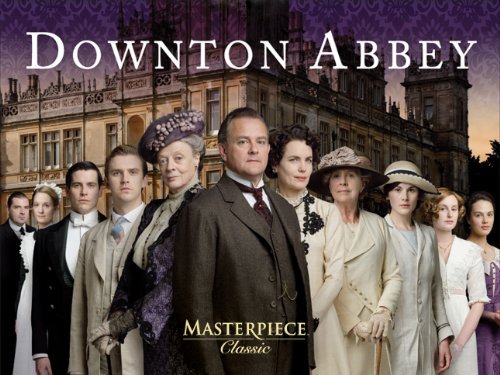 The second show is the BBC miniseries Downton Abbey. Its first season of seven episodes aired last year in the USA on PBS’s Masterpiece Theater. The second season will air at the beginning of 2012.
  These last two weeks I’ve watched with fascination the eight episodes of the BBC and Discovery documentary series Human Planet. One species on our planet has adapted to every environment on earth—that’s us. The series looks at a number of remarkable ways humans have adapted to the various habitats.