Sometimes I think some of us indies get this weird attachment syndrome and start thinking we’re Amazon.
Joe Konrath recently hosted a blog-conversation with Lee Child about the whole Amazon vs. traditional publishers thing. The Passive Voice had an active discussion about it as well. Kudos to Lee Child for yet again showing up and injecting a new perspective into the conversation. It can indeed become something of an echo chamber in the main indie blogs, which I love, but which nevertheless do still tend to sometimes echo. Having someone with his experience come engage and share his two cents was helpful.
One thing his comments reiterated to me is that neither Amazon nor the publishers are in this as the author’s let’s-get-pinky-rings BFF.
I’m not going to carry an ounce of water for Amazon in their fight with Hachette. I’m not going to carry an ounce for the trad publishers either.
I think it’s helpful for all of us to try to understand the truth about the business, and spread that to other authors, but that’s very different from this knee-jerk Defender of Amazon thing that goes on, which seems so very much like Republicans and Democrats turning a blind eye to their own candidates and fixating a hyper-critical one the others.
Why do indie authors care? Because we’re Amazon vendors as well.
Look, I love what Amazon has enabled me to do. I love that Nook and Apple are helping enable it as well. But was this Gazelle Project a good thing? A bad thing? If we stand by and cheer Amazon in such tactics, are we essentially standing by and cheering as Germany takes Austria, France, and Poland? Or are we like England cheering the USA coming in with their troops and bombers?
I’m NOT a traditional publisher. And I’m NOT Amazon, or any other retailer. Even when I contract with them. None of us are. I sometimes wonder if some of us have gotten a bit confused about this.
Konrath says don’t worry about the tiger (Amazon) when a wolf (traditional publishers) is gnawing on your leg. But if you’re an indie writer, you have no wolf gnawing on your leg. That’s someone else’s problem. But we are indeed in bed with the tiger.
Why haven’t we seen more posts about the Gazelle Project on the big indie blogs? Lee Child, darling of the traditional publishers, has to point me in its direction? Why haven’t we been more curious about this tiger’s behavior?
Let’s make hay while the sun shines. The tiger seems to be fairly decent right now. He’s not perfect. For example, eBay strangely enough only charges 15% to sell via their site while Amazon charges 30%. But let’s not forget that as decent as he is, he’s still a tiger. And he’s probably not like those poor guys being made to do tricks by Ringling Brothers.
Do you see this picture? This is Jeff Bezos laughing at John Brown. Because John Brown was a fool.
Let me explain.
When I sell my ebooks on Amazon for $2.99 to $9.99, Amazon charges me 30% of the price. I keep 70%. That’s a decent deal. I’m happy to do business with them as a partner with my ebooks.
But Amazon’s got some alter ego going when dealing with folks selling used books. When I sell used books, Amazon somehow thinks it’s a swell deal for all of us little guys if they take a huge chunk of the pie. Look at the numbers below.
Order date: 04/08/2017
Price: $3.98
Shipping: $3.99
Amazon fees: -$3.99 (100% of sale price)
Your earnings: $3.98
Order date: 04/05/2017
Price: $5.50
Shipping: $3.99
Amazon fees: -$4.21 (77% of sale price)
Your earnings: $5.28
Order date: 03/23/2017
Price: $3.50
Shipping: $3.99
Amazon fees: -$3.91 (112% of sale price)
Your earnings: $3.58
Order date: 03/15/2017
Price: $1.49
Shipping: $3.99
Amazon fees: -$3.61 (242% of sale price)
Your earnings: $1.87
You might think, hey, John, you’re making a few bucks on each. But no, what you see above is what I get from Amazon. I still have to ship the product. And if I purchased the book somewhere, I have to cover those costs as well.
For example, look at the last one. Amazon feels that not only do they need to charge me the total sale price of the book, they also need more than half of the shipping costs. That book cost over three dollars to ship plus a little for a bubble mailer because I actually care that the book is in great shape when the buyer opens the package. So I lost money. But Amazon did just fine.
And Bezos was laughing because John Brown, the fool, was paying Amazon for the pleasure of taking time to list the book, shelve the book at his house, package it, and then post it. It was as good as going to Disneyland!
The fees used to be lower.
Order date: 06/26/2014
Price: $3.59
Amazon fees: -$2.88 (a mere 80% of the sale price)
Shipping: $3.99
Your earnings: $4.70
I hated the fees they were charging then, but after postage, we could still make a buck or so on books priced at this level. Not anymore.
So adios Amazon. I’m done being your fool. And shame on me for taking so long to recognize it. I’m moving all my used book stock to Half.com because they actually have a good thing going. Look at what they charge for their services.
If you’ve decided to try the whole-food, plant-based
lifestyle (WFPB) to lose weight or lower your risk of certain diseases, you
will immediately find there’s a bit of a learning curve.
That’s because the food culture in the United States is geared
towards foods that are animal-based and processed—cheese, meats, sugar, flour-based
products, chips, candy, etc. In fact, WFPB is such a large change, you might
wonder if you’ll be eating anything other than cardboard.
I can happily report that WFPB eating is satisfying and delicious.
Let’s review the general guidelines. With WFPB there are
three things to avoid or minimize.
Added sugar (and artificial sweeteners)
Flour-based products
Animal-based products (meat, dairy, eggs)
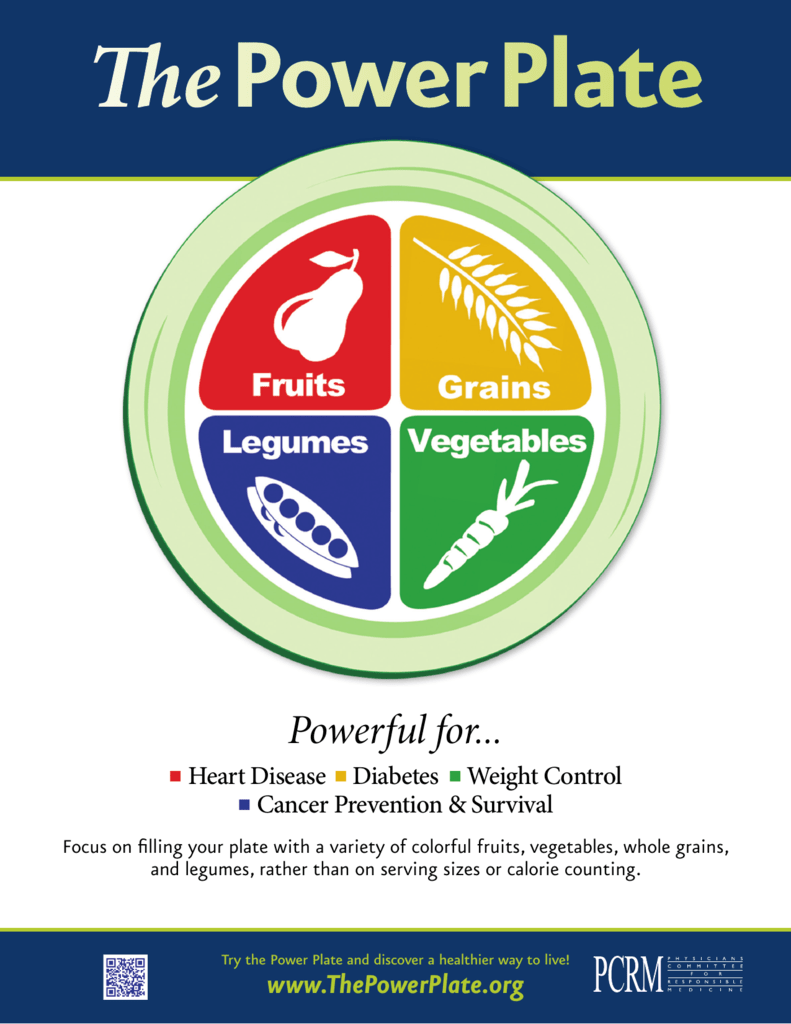
And there are five things you eat. The main four include:
Legumes
Grains (as close to whole kernel as you can get
it)
Vegetables
Fruits (natural form, not canned)
The fifth category is some added fat on the side. That includes
things like a tablespoon of mayo, peanut butter, oil, avocado, etc. Or it could
be an ounce of nuts or seeds.
We’ve found it easiest to compose a meal by simply thinking
about the five categories and filling in the blanks. If you don’t include one
of the main four groups in a meal, that’s fine. Just be sure you’re not
excluding it all the time.
There are dozens and dozens of delicious meals. Over the next
months I’ll be sharing some of those we love. Let’s start with the base.
The base
Grains
Our InstaPot has been a huge help with grains. It makes them
so easy to cook. You can make them in a batch and enjoy them over the course of
a few days.
Wheat
2 cups food storage wheat berries (Yes! Finally
a use for all those bags of food storage wheat in the basement!)
5.5 cups water (or use vegetable stock if you
want it savory)
½ tsp salt
Cook for 35 minutes on high pressure followed by
immediate pressure release. Drain if necessary.
Rye berries, oat groats, pearled barley, brown rice
2 cups grain
2.5 cups water (or vegetable stock if you want
it savory)
½ tsp salt
Cook for 22 minutes on high pressure followed by
10 minutes of natural pressure release. Drain if necessary.
When you want the grain as a savory dish, use vegetable
broth or stock. It gives the grain a wonderful flavor. It’s total magic. You
can get cartons at the grocery store for under two bucks.
For rice, we love the Lundberg wild rice mix. Lundberg also happens
to be California rice which doesn’t have the high levels of arsenic that rice
from the Southern United States has.
Legumes
Lentils
1 cup brown or green lentils (do not use red for
this)
2 cups vegetable broth (the broth is the magical
ingredient)
½ tsp salt
Cook for 15 minutes on high with 10 minutes of
natural pressure release. Drain if necessary.
For other beans, we just purchased them in the can. They’re cheap
and easy. Pinto, black, white, black-eyed peas, etc. You might find it easiest to
start with pinto and garbanzo beans.
Fruits
Easy. Just get whole fruits. You can also get the frozen
berries and cherries.
Vegetables
Easy. Just get a variety of veggies and salad.
Nuts and seeds
Easy. Get whole almonds, pecans, walnuts, etc. Whatever you
like. Try to get them raw. You can heat them up in a pan on the over before you
eat. Stove-roasted pecans are tasty.
Added oils
Olive oil, avocado oil, coconut oil. You’re not going to be
using a ton. If you want to use mayo and salad dressing, do it. Again, you’re
not going to be using much.
Spices
Use all you want—cinnamon, ginger, basil, etc. Also use
mustard, soy sauce, hot sauce. Balsamic vinegar is great on many things.
Recipes
With meal recipes we mix and match. Here are some meals we
like.
Grain Bowl
For 1 person.
4-6 oz of grain
6 oz of berries, cherries, or 1 whole fruit
Some almond milk
Some spices like cinnamon or pumpkin pie spice
or ginger (could do fresh ginger if you like it), or cocoa.
1 oz of nuts, 1 tablespoon of peanut butter, or 1
tablespoon of coconut cream
Heat in microwave if desired
Great for breakfast. Using different fruits and spices gives
it lots of variety from day to day.
Homemade Costa Vida Salad
For 1 person.
4-6 oz beans
3-4 oz salad greens (you will need a big bowl)
Some mango salsa
1 tablespoon Ranch dressing or may
2 or 3 tablespoons of balsamic vinegar
Salt and pepper to taste
Just mix it all up and enjoy. You can add cooked rice if you
want and other sautéed veggies. You can also add rosemary leaves and turmeric
for the health benefits.
Other tips
Here are some other things we’ve found.
Broccoli tastes the best, hands down, when
cooked in a steamer.
Cabbage is great when steamed and stir fried
with soy sauce, ginger, garlic powder, and onion powder
Succotash is tasty, especially if you make it
with some small cubes of potato.
You can substitute lentils for ground beef in
many meals. We’ve done it with stuff green peppers, shepherd’s pie, and many
others, and our picky, teenage daughter actually likes it.
Some corn added to beans for a burrito or chili gives
it a nice sweet flavor.
Sautéed mushrooms are great with onion powder,
garlic powder, and thyme.
Garbanzos go really well with peanuts.
We’re not fanatics about this. But I’d say we’ve been able
to get 90% of the way to a WFPB lifestyle. And we’re enjoying the food. In
fact, the longer we eat this way, the tastier it becomes.
For about two years, we ate a diet high in vegetables and
animal-based foods (meat, dairy, and eggs). We were diligent, but didn’t see
the results we hoped for. Four months ago, we switched over to WFPB. I recently
had some blood work done. After four months of eating this new way, I’ve
dropped about fifteen pounds. My total cholesterol is down from 214 to 188. My blood
sugar levels went from 107 to 83. And my blood pressure has improved. And that’s
after just four months with some days of holiday eating mixed in. I can’t wait
to see what happens after eating this way for a year.
If you want to hear the research behind this to consider the
evidence yourself, I recommend the following:
The China Study: The Most Comprehensive Study
of Nutrition Ever Conducted (Revised and Expanded) by Colin T. Campbell,
PhD
Whole: Rethinking the Science of Nutrition
by Colin T. Campbell, PhD
How Not to Die: Discover the Foods
Scientifically Proven to Prevent and Reverse Disease by Michael Greger,
M.D.
How Not to Diet: The Groundbreaking Science
of Healthy, Permanent Weight Loss by Michael Greger, M.D.
You can get all of them from your local library.
If they don’t have the books there physically, ask the librarian how to use
their Overdrive account to check out an ebook or audio book version online.
Gun Runner, the action-packed, science fiction novel Larry Correia and I have been working on, has been delivered to Toni Weisskopf at Baen Books.
It was a blast to write.
This song was played, as was appropriate, in celebration.
The seed came from Larry’s eleven-year-old son. When we sat down to develop an idea for a sci-fi con presentation a number of years ago, Larry asked: “Joe, what’s cool?”
The answer: “Giant robots, bandits, and murderers.”
We looked at each other and said, “That IS cool.”
And thus was a story born.
The current description Baen has goes like this.
“Once, Jackson Rook was a war hero. Raised from boyhood to pilot an exosuit mech, he’d fought gallantly for the rebellion against the Collectivists. But that was a long time ago, on a world very far away.
Now, Jackson Rook is a criminal, a smuggler on board the Multipurpose Supply Vehicle Tar Heel. His latest mission: steal a top-of-the-line mech called the Citadel and deliver it to the far-flung planet Swindle, a world so hostile even the air will kill you. The client: a man known only as the Warlord. Rook has been in the smuggling business long enough to know that it’s best to take the money and not ask questions. But Rook cannot stand by and watch as the Warlord runs roughshod over the citizens of Swindle, the way the Collectivists did on his homeworld. For all his mercenary ways, Rook is not a pirate. And deep within the smuggler, the heart of a warrior still beats.”
I’m happy to report that GUN RUNNER, the science fiction, action adventure novel that Larry Correia and I wrote, is a finalist for this year’s Dragon Award for Best Military Science Fiction or Fantasy Novel.
The award is part of Dragon Con, the massive multimedia convention held annually in Atlanta, Georgia. The winners will be announced at the con which takes place over Labor Day weekend.
During LTUE this year I sat down with John Goodwin, who manages the Writers and Illustrators of the Future contest, to chat about the contest, my win, and other writerly topics. I had a great time with John.
If you’re a new writer or illustrator working in the science fiction or fantasy genres, I strongly recommend you submit each quarter. There is no fee and the prize is generous. Best of all, it comes with a week long workshop with pros.
For example, Rosling wanted to see how well we understand the scientific projections of how our population will grow. After all, a lot of people think we’re headed for an overpopulation nightmare.
In 1950 there were fewer than one billion children (aged 0-14) in the world. By 2000 there were almost two billion. How many do UN experts think there will be in 2100?
4 billion
3 billion
2 billion
What do you think the right answer is?
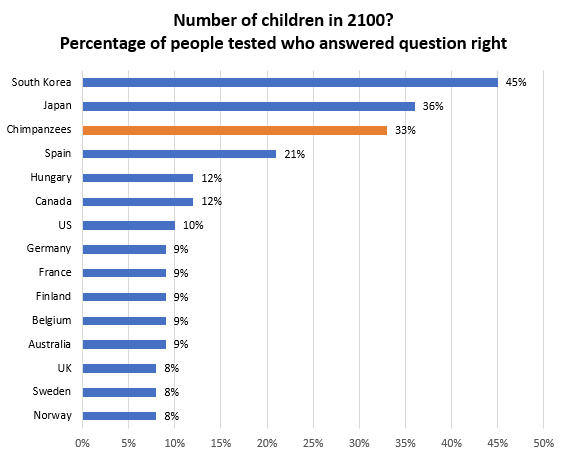
If a bunch of chimpanzees had to answer the question above, each would choose an answer randomly. And 33% of them would get it right.
But when you ask humans the question, most of them get it wrong. Most of them, in fact, do worse than the chimpanzees. It’s not even close.
Rosling asked 12,000 people in 14 countries were asked this question, among others. Here’s how many got it right in various countries.
To be clear, no chimps were tested. That bar is in there just for comparison. But if they were, that’s how they’d do.
So how is it possible that humans do so spectacularly worse than the chimpanzees?
It’s not because chimps are secretly studying world population stats and hatching schemes. It’s because we humans think we know something, but, in reality, what we think we know is wrong.
And in this case, we think they know that the population is going to keep growing and growing and growing.
But it’s not.
The right answer above is C—there are 2 billion children now, and there will be 2 billion in 2100.
The world has hit the peak number of children it will ever have at any time.
There are around 6 billion people on the earth today. As those 2 billion children get older, the UN experts project the total population to fill out and grow to 11 billion in 2100 and then level off.
That means there is no overpopulation nightmare on the horizon.
Can this be true?
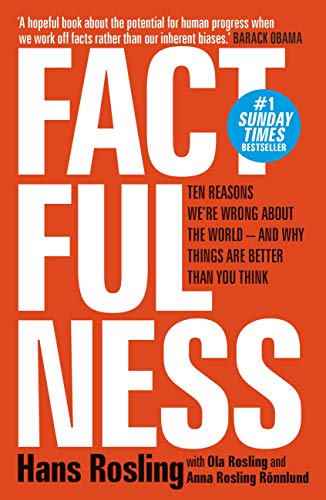
Read Rosling’s book.
Well, what about literacy levels? Poverty? Racism? Wars?
And what about the news—don’t we see the world going to pieces every night?
If you want an eye-opening experience, read Rosling’s book. He delivers all the insights with clarity, expertise, and humor.
Best of all, when you’re done, you’ll have a set of tools to help you correct the picture.
And while you’re waiting for the book, why not watch Rosling in action in this TED talk where he shows the data on population.
6 Comments
But was this Gazelle Project a good thing? A bad thing?
What do you think? Was it a good thing or a bad thing, and why?
I don’t want to read too much into your comments and would rather hear your plain, honest opinion on the Gazelle Project.
This is something I’ve been thinking about for awhile. It feels like many indie authors side with Amazon on every issue just because, and many traditionally published authors side against Amazon for the same reason. They act like to agree with the other side on any one issue is a defeat. I don’t get it. I love indie because it means more books for me to read that otherwise would never be published, but at the same time I don’t like Amazon pricing rules (they should let the market decide what is the appropriate price for ebooks, not the the supreme court).
James,
Here’s what I think drives the knee-jerk response.
#1. Group identity. Amazon is a blessed partner to many indie authors. It’s perceived as being part of the indie group, or at least as a super friendly ally. And so when the buddy gets attacked, there’s an urge to stand up and defend him.
#2. This attachment can be stronger for those who feel like trad pub screwed or rejected them. How many indie authors who were once with trad pub feel they weren’t treated well? How many never got welcomed into the building by trad pub, but were received with open arms by Amazon?
Of course we think about the fates of other authors in general. I don’t think there’s one motivation. But from all the comments I read and those I make myself, it seems there’s a knee-jerk defense of Amazon. And I think simple group dynamics are driving a large part of it.
Mike,
I don’t know if it’s good, bad, or neutral. That’s why I think it would benefit from a lot of discussion.
On the one hand, it’s a bit troubling to hear Amazon characterizing its vendors/partners that way. Why wouldn’t they view us indies the same way?
On the other, is KDP a major feature of Amazon’s attempt to take-down the wounded gazelles and this all about courting authors?
Has Amazon done this elsewhere?
And what can authors do now to make hay, but minimize the risk should Amazon turn on them?
I think these lines of questioning are so much more fruitful than pages and pages and pages about Hachette.
Personally, I hope Hachette wins because I think the higher prices make it easier for indies to compete.
I’m a huge fan of Douglass Preston (and his co-author Lincoln Child), and upon reading his petition I found myself agreeing with the spirit of it. That being said, I firmly believe that indie publishing is the future, and that it’s an exciting future that probably doesn’t include traditional publishers (at least in their current incarnation). Amazon is an engine propelling that exciting future forward, and part of me is rooting for them.
Reading Lee Child’s post on the subject, I think Amazon is probably behaving in a way that is unprofessional. Using their platform to punish publishers that don’t agree to more favorable terms (though it’s no doubt their right to do it) feels icky. Hachette should call their bluff and walk. I have no doubt they would/will use the same tactics on indie authors when the need arises.
But it’s hard to walk when something like 40% of your revenue is tied up there 🙂 Where are they going to find those sales?
At the same time, if Amazon doesn’t carry folks like James Patterson, that will ding them. Their model depends on being THE place to find what you’re looking for.
I am very interested to see where this goes. In the meantime, I gotta make me some hay.





But was this Gazelle Project a good thing? A bad thing?
What do you think? Was it a good thing or a bad thing, and why?
I don’t want to read too much into your comments and would rather hear your plain, honest opinion on the Gazelle Project.
This is something I’ve been thinking about for awhile. It feels like many indie authors side with Amazon on every issue just because, and many traditionally published authors side against Amazon for the same reason. They act like to agree with the other side on any one issue is a defeat. I don’t get it. I love indie because it means more books for me to read that otherwise would never be published, but at the same time I don’t like Amazon pricing rules (they should let the market decide what is the appropriate price for ebooks, not the the supreme court).
James,
Here’s what I think drives the knee-jerk response.
#1. Group identity. Amazon is a blessed partner to many indie authors. It’s perceived as being part of the indie group, or at least as a super friendly ally. And so when the buddy gets attacked, there’s an urge to stand up and defend him.
#2. This attachment can be stronger for those who feel like trad pub screwed or rejected them. How many indie authors who were once with trad pub feel they weren’t treated well? How many never got welcomed into the building by trad pub, but were received with open arms by Amazon?
Of course we think about the fates of other authors in general. I don’t think there’s one motivation. But from all the comments I read and those I make myself, it seems there’s a knee-jerk defense of Amazon. And I think simple group dynamics are driving a large part of it.
Mike,
I don’t know if it’s good, bad, or neutral. That’s why I think it would benefit from a lot of discussion.
On the one hand, it’s a bit troubling to hear Amazon characterizing its vendors/partners that way. Why wouldn’t they view us indies the same way?
On the other, is KDP a major feature of Amazon’s attempt to take-down the wounded gazelles and this all about courting authors?
Has Amazon done this elsewhere?
And what can authors do now to make hay, but minimize the risk should Amazon turn on them?
I think these lines of questioning are so much more fruitful than pages and pages and pages about Hachette.
Personally, I hope Hachette wins because I think the higher prices make it easier for indies to compete.
I’m a huge fan of Douglass Preston (and his co-author Lincoln Child), and upon reading his petition I found myself agreeing with the spirit of it. That being said, I firmly believe that indie publishing is the future, and that it’s an exciting future that probably doesn’t include traditional publishers (at least in their current incarnation). Amazon is an engine propelling that exciting future forward, and part of me is rooting for them.
Reading Lee Child’s post on the subject, I think Amazon is probably behaving in a way that is unprofessional. Using their platform to punish publishers that don’t agree to more favorable terms (though it’s no doubt their right to do it) feels icky. Hachette should call their bluff and walk. I have no doubt they would/will use the same tactics on indie authors when the need arises.
But it’s hard to walk when something like 40% of your revenue is tied up there 🙂 Where are they going to find those sales?
At the same time, if Amazon doesn’t carry folks like James Patterson, that will ding them. Their model depends on being THE place to find what you’re looking for.
I am very interested to see where this goes. In the meantime, I gotta make me some hay.